



After a fire, immediate actions like structural safety checks, utility shut-off, and protective gear are crucial to minimize damage. The first 48 hours focus on natural damage control, including removal of burnt items and documentation. Kitchens require specialized restoration due to water and smoke risks. Understanding deductibles and insuring promptly is essential for budgeting.
Assessing historical homes involves understanding fire damage nature, evaluating structural integrity, and mitigating water damage. Fire damage naturally calls for non-toxic, biodegradable cleaning solutions and specialized equipment for air purification and dehumidification.
Professional restoration includes assessment, decontamination, structural repairs, thorough cleaning, deodorization, and odor removal techniques to eliminate smoke residue within 48 hours. Regular inspections and rebuilding with current fire safety standards ensure emotional well-being and a secure environment.
Fire damage is a devastating experience, leaving homes and businesses not just charred but also filled with hazardous remnants. Prompt and thorough cleanup is essential not only for safety but also to mitigate secondary damage from smoke and water used in extinguishment. Urgent fire damage cleanup services are designed to address these challenges, offering specialized expertise to restore properties to their pre-fire condition naturally. Our article delves into the intricacies of these services, highlighting why professional intervention is crucial, the potential risks of DIY approaches, and the holistic processes involved in fire damage restoration.
- Immediate Steps After Fire Damage: Safety First
- Assessing Fire Damage: What to Look For
- Natural Cleaning Methods for Fire-Damaged Spaces
- Professional Fire Damage Restoration Process
- Rebuilding and Preventing Future Fire Losses
Immediate Steps After Fire Damage: Safety First
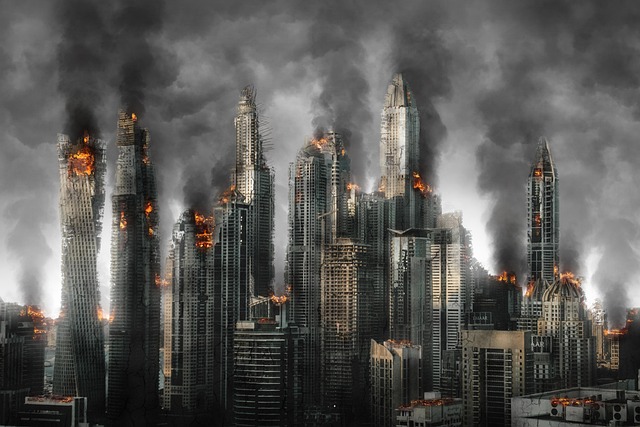
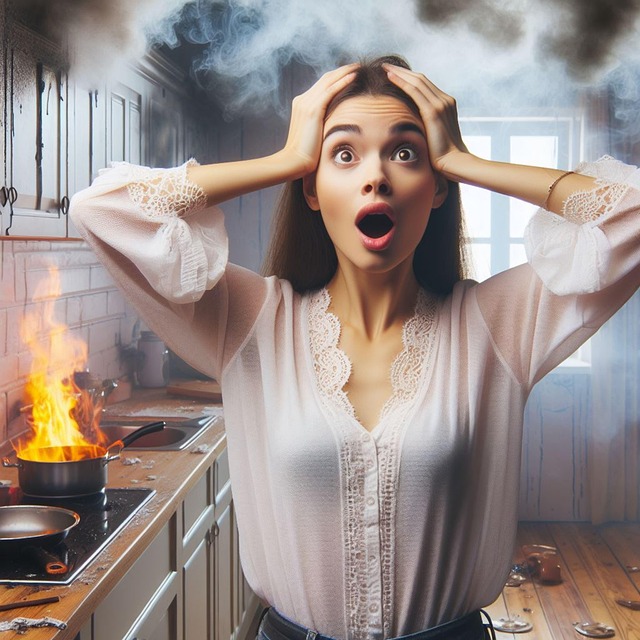
After a fire, the immediate steps you take can significantly impact the outcome of your property’s restoration. Safety should always be the first priority when dealing with fire damage. Before entering the affected area, ensure that the structure is stable and secure. Turn off power and gas supplies to prevent further hazards. If there’s visible smoke or charred debris, it’s crucial to wear protective gear, such as gloves and masks, to avoid inhaling toxic fumes.
The first 24-48 hours are critical for minimizing fire damage naturally. Begin by removing burnt items and any visible evidence of the fire while wearing appropriate safety equipment. This includes removing charred furniture, carpets, and other belongings that may have been damaged. It’s also essential to document the extent of the damage with photos for insurance purposes. For instance, according to a recent study, prompt action within 48 hours can reduce the average cost of residential fire damage restoration by up to 15%.
Restoring kitchens after a fire is a specialized task due to potential water and smoke damage. The process involves not only cleaning and repairing appliances but also ensuring the safety of electrical systems. Understanding your fire damage deductible, typically a percentage of your home insurance policy, is crucial for budgeting restoration efforts. Property Restoration of the Capital Region recommends contacting your insurer immediately to assess coverage and begin the claims process. This proactive step can help streamline the recovery process, especially when dealing with extensive residential fire damage restoration.
Assessing Fire Damage: What to Look For
Assessing fire damage is a critical step in the recovery process, especially when dealing with historical homes. The initial assessment can greatly impact the overall restoration outcome, guiding experts on the best course of action to preserve both the structure and its rich history. When evaluating fire damage, professionals consider several key factors that determine the extent of restoration required. One of the primary indicators is the type of flame and heat exposure. Different materials in a home react uniquely to fire; wooden structures, for instance, may have varying levels of charring, while metal components can experience warping or even melting. Understanding these reactions is vital for selecting appropriate restoration methods.
Furthermore, the assessment should focus on structural integrity. Fire can compromise a building’s foundation, walls, and roof, making it essential to inspect for cracks, collapses, or significant deformities. In historical homes, this process becomes more intricate due to unique architectural features and materials that may not be readily available today. Local community fire support groups often play a crucial role in providing resources and expertise during this phase. They can offer insights into the specific challenges posed by older structures and guide restoration efforts accordingly.
Another critical aspect is evaluating water damage caused by firefighting efforts. While firefighters are essential for suppressing fires, their use of water can lead to secondary damages, such as mold growth and structural deterioration. Property Restoration of the Capital Region emphasizes the importance of prompt drying and decontamination to prevent these issues. In cases where a fire-damaged home requires repairs for the first, second, or third time, understanding local building codes and historical preservation guidelines is paramount. These regulations ensure that restoration efforts maintain the authenticity and value of historical homes while adhering to safety standards.
Natural Cleaning Methods for Fire-Damaged Spaces
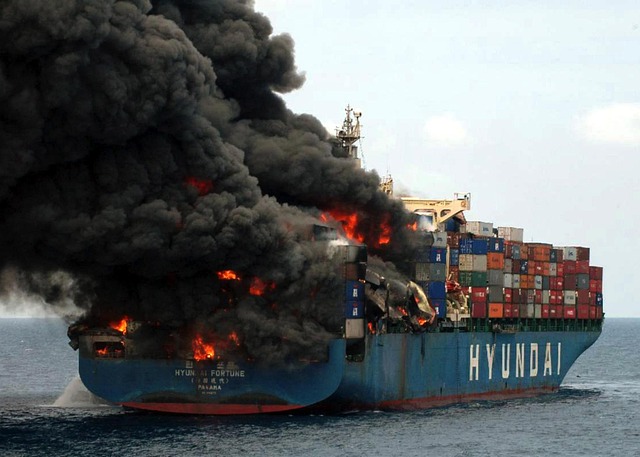
Fire damage can leave behind not just physical destruction but also a potent mix of toxic fumes and hazardous debris. While traditional cleaning methods may seem appealing, many homeowners and property managers are increasingly turning to natural cleaning techniques as a safer, more eco-friendly approach to restoring fire-damaged spaces. This shift is particularly noticeable in areas like schools and senior living facilities, where the health and well-being of vulnerable populations take precedence.
Natural cleaning methods for fire damage focus on using non-toxic, biodegradable solutions that do not reintroduce harmful chemicals into the environment or the occupants’ living spaces. For instance, baking soda and vinegar can be powerful allies in removing odors and scrubbing surfaces without leaving behind harsh residues. Enzymatic cleaners derived from plants break down organic matter effectively while ensuring air quality remains pristine. In severe cases, specialized equipment like air purifiers and dehumidifiers play a crucial role in mitigating the aftermath of smoke damage and preventing mold growth.
When restoring homes after devastating fires, it’s essential to prioritize the safety and comfort of residents. Natural cleaning methods not only minimize exposure to harmful substances but also contribute to faster healing and recovery. For example, Property Restoration of the Capital Region has successfully implemented these techniques in various fire damage restoration projects, including schools and senior living facilities. By adopting a holistic approach that combines advanced equipment with eco-friendly solutions, they ensure thorough cleaning while upholding the highest standards of health and environmental responsibility.
While natural cleaning methods may require more time and effort upfront, the long-term benefits are significant. They not only promote a healthier living environment but also contribute to sustainable practices in fire damage restoration. As the need for efficient yet eco-conscious solutions continues to grow, especially in densely populated areas with high fire risk, these techniques are poised to become the gold standard in the industry.
Professional Fire Damage Restoration Process
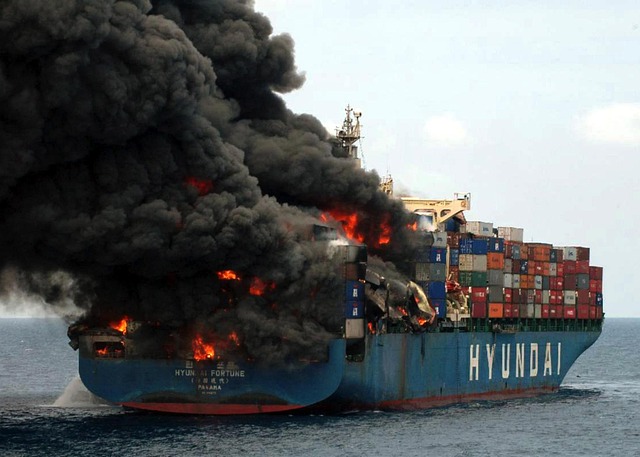
When a fire strikes, swift action is crucial for mitigating damage and supporting Bay Area fire victim support networks. Professional Fire Damage Restoration involves a meticulous process designed to restore properties to their pre-loss condition, focusing on both structural integrity and natural aesthetics. The initial step is assessment, where experts inspect the site to identify the extent of fire damage, determine the source, and create a tailored restoration plan. This thorough evaluation ensures that every aspect of the property, from historical structures to modern amenities, receives specialized care.
Restoring businesses after fires is a delicate task, requiring urgent local emergency fire response to contain the damage and preserve essential operations. Property Restoration of the Capital Region specializes in providing this critical support, offering around-the-clock services to minimize disruption. The restoration process itself involves several phases: containment and decontamination to prevent further deterioration; structural repairs to stabilize the building; and thorough cleaning and deodorization to eliminate smoke and soot residue. For example, a recent study showed that prompt fire damage cleanup within 48 hours can significantly reduce the risk of mold growth, preserving both the physical space and mental well-being of residents and business owners alike.
In addition to structural restoration, professionals focus on mitigating scent and visual impact, using advanced techniques like odor removal and specialized cleaning solutions. This meticulous approach ensures that not only is the property physically restored, but its emotional value is preserved as well. By employing these comprehensive strategies, Bay Area fire victim support networks can offer effective assistance, enabling communities to recover from devastating fires with resilience and hope.
Rebuilding and Preventing Future Fire Losses
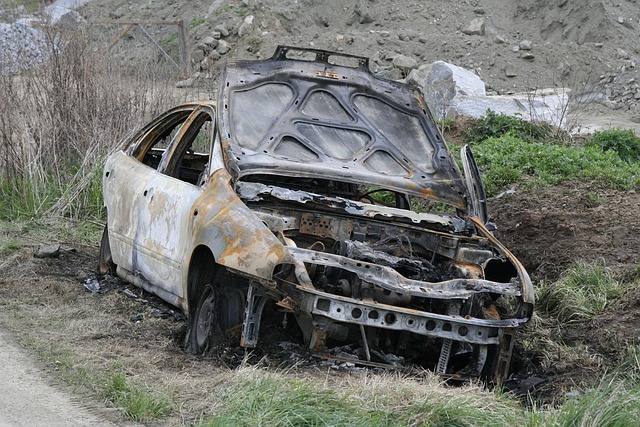
Fire damage can leave a home or business in disarray, but it’s not just the visible destruction that requires immediate attention. Rebuilding and preventing future fire losses is a multifaceted process that demands expertise from local fire damage restoration pros. The first step involves assessing the extent of the damage, including remediating asbestos, which can be released during fires and poses significant health risks. Property Restoration of the Capital Region emphasizes the importance of safe removal to ensure the well-being of everyone involved.
Once the immediate danger has passed, a thorough inspection is crucial. Local professionals conduct detailed evaluations to identify fire safety equipment that may need replacement or upgrade, emphasizing that these checks are not one-time events but should be performed 1-3 times annually for optimal protection. This includes smoke detectors, fire alarms, and sprinkler systems—all vital components in mitigating future risks. By addressing these aspects proactively, homeowners and business owners can significantly reduce the likelihood of reoccurrence.
Rebuilding involves more than just repairing physical structures; it’s about restoring safety and peace of mind. Fire damage naturally affects not just buildings but also the emotional well-being of occupants. Restoration pros work closely with clients to meet their specific needs, whether that means rebuilding from the ground up or making strategic repairs. They utilize advanced techniques and materials to ensure that each space is not only aesthetically restored but also meets current fire safety standards. This holistic approach guarantees that when residents return, they do so in a secure environment, minimizing the trauma associated with fire damage.
After thoroughly exploring immediate fire safety, assessing damage, natural cleaning methods, professional restoration, and rebuilding strategies, it’s clear that effective fire damage cleanup requires a multifaceted approach. Key insights include prioritizing safety first and foremost, understanding the scope of damage through careful assessment, considering natural cleaning methods as eco-friendly alternatives, and recognizing the importance of professional restoration for extensive or hazardous situations. Moreover, proactive measures like preventing future losses through rebuilding and maintenance are essential. By synthesizing these learnings, homeowners and businesses alike can confidently navigate fire damage naturally, ensuring not just property restoration but also the safety and well-being of those affected. This authoritative article equips readers with the knowledge to make informed decisions and take practical next steps in managing fire damage effectively.