





Fire damage restoration requires a strategic approach for both homes and businesses. Key initial steps include thorough inspections, documenting structural integrity, assessing heat/smoke exposure, and evaluating fire safety features. Early intervention prevents mold and structural deterioration. Specialized contractors use advanced methods to restore properties to pre-fire condition while adhering to safety protocols and building codes. Prompt 24-48 hour action by homeowners and professionals minimizes costs and secondary damage, emphasizing natural fire damage restoration techniques for effective revitalization.
Restoring a home after fire damage is a delicate process requiring skilled professionals who understand the unique challenges of fire damage naturally. The aftermath of a fire leaves not just physical scars but also emotional trauma for homeowners. This comprehensive guide aims to illuminate the crucial role fire damaged home restoration contractors play in transforming devastation into recovery. We’ll delve into their expertise, the intricate steps involved in restoration, and how they help folks reclaim their homes and lives, offering expert insights that underscore their dedication to excellence.
- Assessing Fire Damage: Natural First Steps for Contractors
- Restoring Safety & Comfort: A Contractor's Guide to Fire-Damaged Homes
- Revitalizing from Ash: Post-Fire Home Restoration Strategies
Assessing Fire Damage: Natural First Steps for Contractors
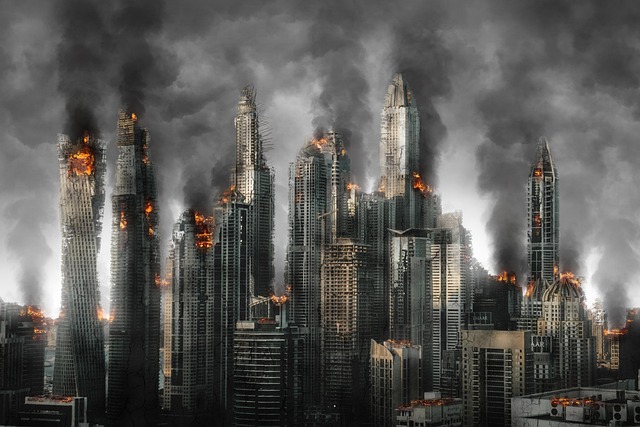
Assessing Fire Damage: Natural First Steps for Contractors
When a home experiences fire damage, it’s crucial to take immediate and natural first steps to ensure safety, protect property, and facilitate efficient restoration. The initial assessment is a critical phase in the recovery process, providing essential insights into the extent of the damage and guiding the subsequent renovation efforts. For contractors in the Bay Area—a region frequently impacted by wildfires—understanding fire damage naturally is not just a skill but an imperative.
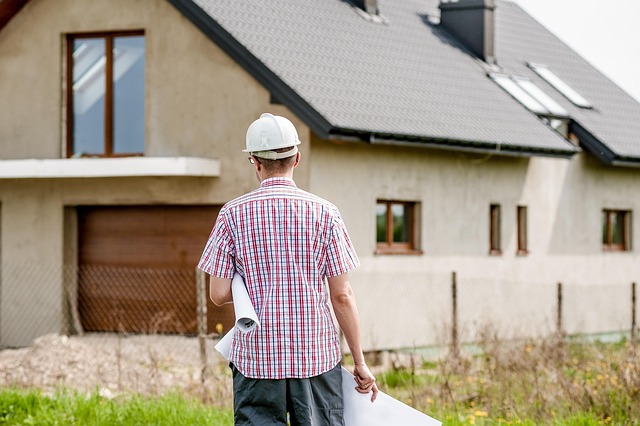
Contractors should begin with a thorough inspection, documenting every aspect of the property’s condition. This involves evaluating structural integrity, identifying areas affected by flames, smoke, and water used during firefighting efforts. It’s vital to pay close attention to hidden vulnerabilities; for instance, even seemingly unaffected walls might have compromised insulation or wiring. A comprehensive assessment also includes an analysis of fire safety features like smoke detectors and sprinkler systems, ensuring they function correctly and meet local Bay Area fire safety tips for colleges.
Data from recent devastating fires in the region highlight the importance of early intervention. Properties left unattended can face mold growth, structural deterioration, and increased repair costs. As a result, contractors should advise Bay Area fire victim relief funds beneficiaries on taking prompt action. This involves developing a restoration plan tailored to each home’s unique fire damage naturally history. By following these steps, professionals like those from Property Restoration of the Capital Region can ensure that homes are restored not just to their former state but to enhanced safety standards, ready for the next chapter in their residents’ lives.
Restoring Safety & Comfort: A Contractor's Guide to Fire-Damaged Homes
Restoring a fire-damaged home requires meticulous care and specialized knowledge to ensure safety and reclaim comfort. For contractors, navigating the aftermath of a fire presents unique challenges. The primary goal is to address fire damage naturally while mitigating potential hazards. This involves assessing structural integrity, identifying sources of heat and smoke, and implementing strategies to prevent further deterioration. Contractors must adhere to strict protocols to ensure the health and safety of occupants and comply with local building codes.
One crucial step is collaborating with local fire disaster relief organizations like the Bay Area fire victim relief funds. These entities offer invaluable resources, including funding for temporary housing and essential supplies, aiding in the immediate aftermath. By coordinating efforts with such organizations, contractors can streamline the recovery process for affected families. For commercial properties, fire damage restoration should be tailored to minimize business disruptions. Efficient cleanup and remodeling strategies enable businesses to reopen swiftly, with examples of successful restorations serving as inspiration for thorough, effective renovation techniques.
Property Restoration of the Capital Region specializes in meticulous fire damage restoration, employing advanced methods to restore homes and businesses to their pre-fire condition. They understand the emotional toll of such events and strive to provide compassionate, professional services. By following best practices and staying informed about local relief funds, contractors can make a significant difference in helping fire victims rebuild their lives and businesses. This comprehensive approach ensures not only physical restoration but also supports the psychological recovery of those affected by these traumatic events.
Revitalizing from Ash: Post-Fire Home Restoration Strategies
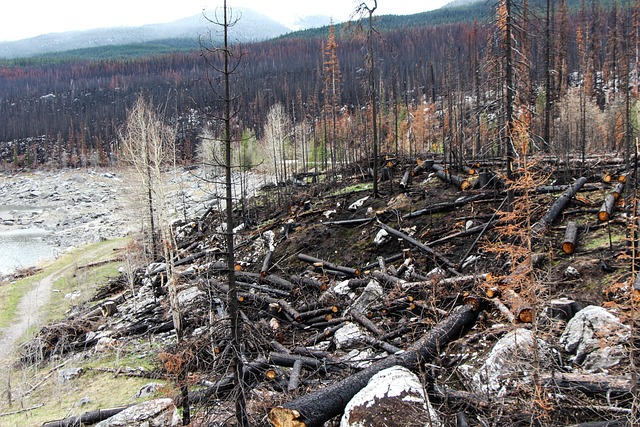
Revitalizing from Ash: Post-Fire Home Restoration Strategies
The aftermath of a fire can leave homes in a state of disarray, with ash and smoke damage posing unique challenges for restoration experts. This process requires meticulous care to ensure not just structural integrity but also the health and safety of residents. Fire damaged flooring repairs are a critical initial step, as these areas often sustain significant harm from both direct flame exposure and water used during firefighting efforts. Expert contractors employ specialized techniques like sanding, patching, and refinishing to restore floor surfaces, ensuring they meet safety standards and aesthetic expectations.
Restoring historic buildings after fires presents an even more intricate set of considerations. These structures demand precise, contextually sensitive repairs to preserve their architectural integrity and cultural significance. Property Restoration of the Capital Region, for instance, has successfully navigated such restoration projects, leveraging knowledge of traditional construction methods and materials. Fire-resistant clothing guides are invaluable resources for both professionals and homeowners, offering practical advice on protective gear during cleaning and repair processes.
As restoration progresses, addressing fire damage naturally becomes a key focus. This involves using non-toxic cleaning solutions to mitigate residual smoke odors and ensuring proper ventilation throughout the home. In cases where extensive reconstruction is required, incorporating fire-resistant materials can significantly reduce future risks. For example, certain types of insulation and drywall treatments are designed to delay the spread of flames, enhancing structural resilience against potential recurring fires.
Data from industry reports indicates that prompt action—within 24 to 48 hours after a fire—is crucial for minimizing restoration costs and preventing secondary damage. Homeowners should expect detailed assessments from contractors who can outline the full scope of repairs, including any necessary decontamination efforts. By following these strategic guidelines and enlisting the help of experienced professionals, homeowners can effectively revitalize their homes from the ashes of a destructive fire.
Fire-damaged home restoration is a complex process that requires specialized knowledge and techniques. By delving into the natural first steps, understanding safety and comfort restoration, and employing effective post-fire revitalization strategies, contractors can navigate the challenges of fire damage naturally. This article has provided a comprehensive guide, highlighting the importance of assessing damage, implementing secure renovations, and employing tailored restoration techniques. Key insights include prioritizing safety, mitigating secondary damage, and respecting the natural process of healing. Contractors now possess the tools to transform fire-affected homes, ensuring a successful transition from destruction to revitalized living spaces.