



Immediate, specialized assessment is crucial for mitigating fire damage naturally in historically significant homes. Restoration focuses on preserving heritage while adhering to strict guidelines and controlled replacement methods. Key steps include containing the fire, removing hazardous particles, decontaminating areas, and employing advanced cleaning techniques tailored to each material. Emotional support and practical strategies, such as connecting with local experts and following NFPA recommendations, aid individuals in recovering from trauma and preventing future damage naturally.
Fire damage restoration is a critical service that ensures the safety, health, and financial stability of communities worldwide. Rapid response to fire damage not only minimizes structural loss but also preserves sentimental value and reduces long-term environmental impact. Despite the urgent need for same-day restoration services, many homeowners face challenges in finding reliable, efficient solutions close by. This article explores how professional fire damage restoration experts utilize cutting-edge techniques and specialized equipment to naturally mitigate fire damage, offering a comprehensive guide for those seeking swift and effective recovery solutions nearby.
- Immediate Assessment: Prioritizing Safety and Fire Damage Natural Recovery.
- Containment and Safety Measures: Protecting Your Property and Family from Further Harm.
- Restoration Process: Step-by-Step Guide to Fire Damage Repair and Rehabilitation.
- Emotional Support and Prevention: Coping with Loss and Fire Damage Prevention Strategies.
Immediate Assessment: Prioritizing Safety and Fire Damage Natural Recovery.
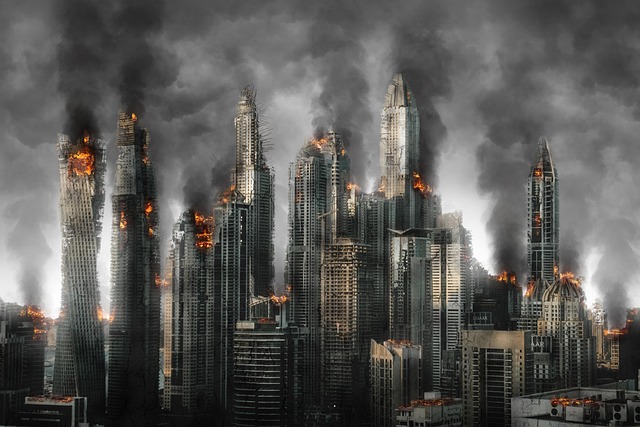
When a fire strikes, immediate assessment is crucial to ensure safety and mitigate further damage. The first steps after a fire are about more than just dousing the flames; they’re about understanding the extent of the fire damage naturally occurring within minutes or hours of the incident. This initial evaluation guides the restoration process, especially for historical homes where every element may have unique value and preservation requirements. In Palo Alto, fire damage naturally affects not only structures but also personal belongings and textiles, requiring a delicate balance between recovery and preservation.
Restoring after a fire in Palo Alto involves careful consideration of the environment and materials impacted. For example, restoring textiles after a fire can be a complex process that demands specialized knowledge to prevent further deterioration. Property Restoration of the Capital Region offers expert advice: prioritize items with sentimental value or those that can’t be replaced readily. Natural recovery processes can include allowing affected areas to air dry, using gentle cleaning techniques, and, in some cases, replacing materials that have sustained significant fire damage naturally through controlled replacement or restoration methods.
Historical homes pose unique challenges because of their architectural significance and the potential for irreplaceable artifacts. Fire damage restoration for these properties requires meticulous attention to detail and adherence to historical preservation guidelines. It’s not just about repairing structures; it involves preserving the story and character that make each home unique. By understanding how fire damage naturally progresses, restoration specialists can work with homeowners to minimize disruption and protect the heritage of these invaluable assets.
Containment and Safety Measures: Protecting Your Property and Family from Further Harm.
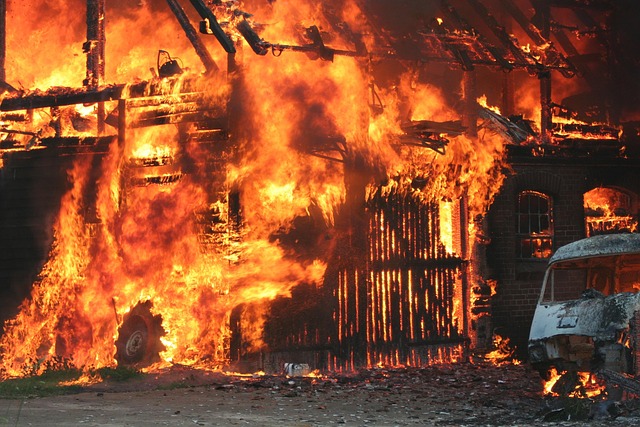
Fire damage, by its very nature, presents an immediate threat to both property and health. When a fire strikes, swift containment and safety measures are paramount to mitigating further harm. This is where expert fire damage restoration services play a crucial role. Property Restoration of the Capital Region specializes in not just repairing physical structures but also ensuring the well-being of residents and businesses affected by such calamities.
In the event of a fire, the first step is always containment. Restorers employ specialized equipment to isolate the affected area, preventing the spread of smoke, soot, and other contaminants. This initial phase is critical for protecting both personal belongings and structural integrity. For instance, in cases involving medical facilities, restorers must adhere to stringent safety protocols to minimize disruption in patient care, ensuring fire damage restoration insurance claims are processed efficiently without compromising health and safety standards. Similarly, businesses can resume operations faster when restorers contain the damage effectively, helping them navigate the challenges of fire damage restoration while minimizing downtime.
Safety extends beyond immediate containment. Restorers use advanced techniques like negative air pressure to remove hazardous particles from the air, reducing indoor air pollution. This is especially vital in commercial spaces where employees return daily, as well as in medical facilities, where maintaining sterile environments is essential. By prioritizing safety and employing natural, eco-friendly methods when possible, Property Restoration of the Capital Region ensures that fire damage restoration for businesses and medical facilities not only repairs physical structures but also creates healthier living and working environments.
Restoration Process: Step-by-Step Guide to Fire Damage Repair and Rehabilitation.
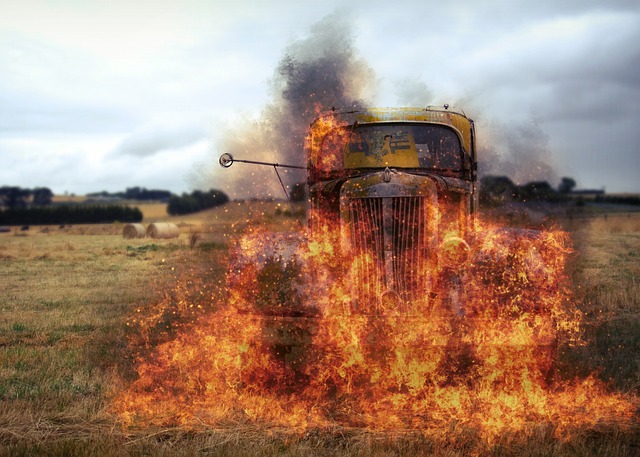
Fire damage restoration is a meticulous process that requires skilled professionals to navigate the challenges of repairing and rehabilitating affected areas. This step-by-step guide offers a comprehensive overview for restoring businesses after fires, ensuring a successful recovery while mitigating further losses.
The initial assessment is paramount. Experts from Property Restoration of the Capital Region inspect the site, categorizing fire damage levels and identifying potential hazards. They meticulously document the process, taking photos to track progress and ensure accountability. In cases of extensive fire damage, especially in commercial properties or medical facilities, a quick response is crucial. Prompt action can prevent the spread of smoke and soot, minimizing secondary damage.
Restoring businesses after fires involves multiple stages. First, the removal of affected materials begins, including charred debris and fire-damaged carpet repairs. This step requires specialized equipment to ensure the safety of restoration technicians and property owners. Once decontamination is complete, a thorough cleaning takes place using advanced techniques to eliminate odors and residue left by flames. For medical facilities, this process must adhere to strict hygiene standards, ensuring a safe environment for patients and staff. Following cleaning, specialized treatments are applied to walls, ceilings, and structures, restoring them to their pre-fire condition or better. This may include repainting, refitting, or reinforcing structural elements to meet safety regulations.
In summary, successful fire damage restoration involves a meticulous approach tailored to each unique situation. Property Restoration of the Capital Region specializes in providing these services, ensuring businesses and medical facilities can rise from the ashes with minimal disruption. With expert knowledge and cutting-edge technology, their team delivers top-quality repairs, allowing affected areas to recover naturally and efficiently.
Emotional Support and Prevention: Coping with Loss and Fire Damage Prevention Strategies.

Dealing with fire damage can be an overwhelming experience, both emotionally and practically. The loss of property, possessions, and sometimes even loved ones, can leave individuals and families feeling vulnerable and stressed. However, seeking emotional support and implementing fire damage prevention strategies are crucial steps in the recovery process. By understanding these aspects, you can navigate this challenging time more effectively and ensure your safety moving forward.
Coping with the aftermath of a fire requires empathy and compassion. Many local fire damage experts available 24/7 offer not only restoration services but also counseling to help individuals process their trauma. Sharing experiences and connecting with peers who have gone through similar situations can provide comfort. Support groups, community centers, or even professional therapists can facilitate these safe spaces for emotional healing. Property Restoration of the Capital Region, for instance, recognizes the importance of holistic recovery and collaborates with local mental health professionals to assist clients in their time of need.
Preventing fire damage naturally is a multifaceted approach that starts with understanding risk factors specific to your area. According to the National Fire Protection Association (NFPA), certain seasons or weather patterns may increase the likelihood of fires, highlighting the need for tailored precautions. A fire-resistant clothing guide, available from many online resources, offers practical advice on what to wear during high-risk activities, such as camping or working around open flames. Additionally, regular fire damage air quality testing 1-3 times a year is essential, especially in regions with higher fire incidence rates. This proactive measure ensures that any potential hazards, like toxic fumes or mold growth due to water damage from firefighting efforts, are identified and addressed promptly.
By combining emotional support networks and implementing preventive measures, individuals can better cope with loss and safeguard their homes from future fires. Remember, knowledge is power, and being prepared for the unexpected fosters resilience in the face of adversity.
After thoroughly exploring the comprehensive process of same-day fire damage restoration, readers now possess a deep understanding of the immediate assessment, containment, and emotional recovery required during such challenging times. The article’s key insights emphasize the importance of natural recovery methods where possible, prioritizing safety as the primary concern. Through each step, from initial damage assessment to long-term prevention strategies, readers have gained valuable knowledge on how to navigate fire damage effectively. By implementing these practical next steps, homeowners can ensure their properties and families are protected, fostering a sense of resilience and control in the aftermath of such disasters. This authoritative guide serves as a reliable resource, empowering individuals to restore not just their homes but also their peace of mind naturally.