





Immediate fire damage management is crucial to minimize secondary harm. Key steps include ensuring safety, conducting visual inspections, swift professional response within 24-48 hours for containment and extraction, community education, and data insights emphasizing the importance of early intervention. Structural integrity assessment, air quality testing, and specialized restoration techniques are vital. The process involves strategic planning to address visible and hidden damage from fire, smoke, and water using eco-friendly methods and prompt action to restore both physical and psychological well-being.
Fire is a devastating force, leaving behind not just physical destruction but also emotional trauma. Prompt and thorough fire cleanup and restoration are essential to mitigate damage, ensure safety, and restore peace of mind. However, navigating fire damage naturally can be overwhelming, requiring specialized knowledge and equipment. This article delves into the intricacies of same-day fire cleanup and restoration, providing expert guidance to help homeowners and businesses navigate this challenging process efficiently and effectively. By understanding the steps involved, you’ll gain the confidence to restore your space to its pre-fire condition.
- Immediate Safety & Assessment: Fire Damage Naturally Begins
- Containment & Extraction: Restoring Your Space
- Structural Integrity & Safety: Addressing Underlying Issues
- Restoration Process: Revitalizing Your Home or Business
Immediate Safety & Assessment: Fire Damage Naturally Begins
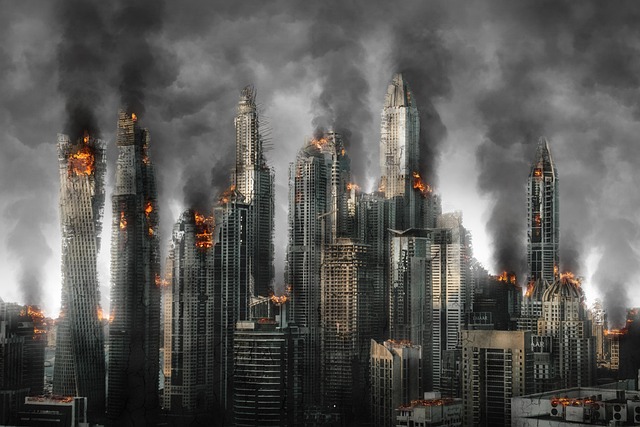
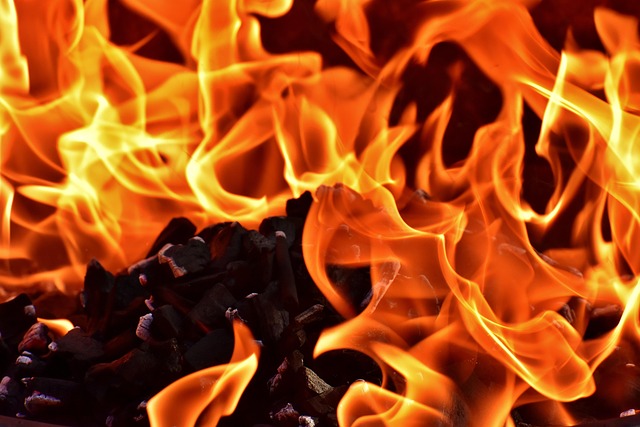
The initial stages of fire damage management are critical, as fire damage naturally begins to affect a property beyond what meets the eye. Immediate safety assessment is paramount; ensuring the structural integrity of buildings and mitigating potential hazards is essential for both residents and emergency responders. This involves a thorough visual inspection to identify active burning, hot spots, smoke damage, and water intrusion—all indicators of fire’s path and extent.
Restoring art after a fire or homes faster after fires requires swift yet meticulous action. The first 24-48 hours are crucial for minimizing secondary damage like mold growth and structural degradation. Professional restoration services, such as those offered by Property Restoration of the Capital Region, emphasize rapid response teams equipped to assess and implement temporary solutions, ensuring residents’ well-being and protecting valuable possessions. Regular community fire safety events play a vital role in educating folks on these immediate steps, empowering them to act quickly in the event of a fire emergency.
For instance, data from recent studies highlights that early intervention can significantly reduce restoration costs and time. According to industry reports, prompt action within 48 hours after a fire can limit long-term damage by as much as 75%, emphasizing the importance of knowing what to do immediately following a fire. This includes evacuating residents, calling in professionals, and beginning preliminary assessments to prevent further deterioration of affected areas.
Containment & Extraction: Restoring Your Space
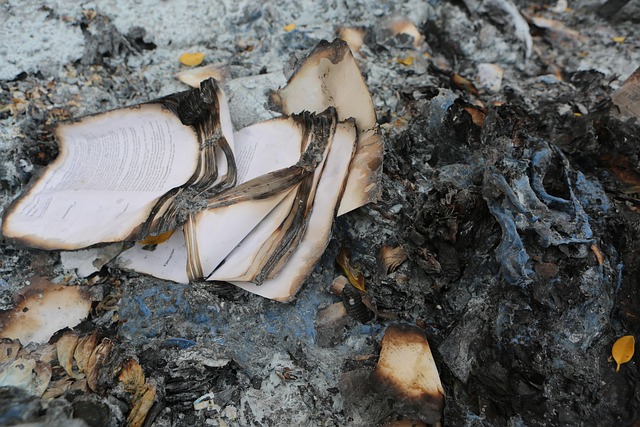
Fire damage can leave homes or businesses in disarray, but containment and extraction are essential steps in the restoration process. This initial phase involves a strategic approach to mitigate further harm while restoring your space to its pre-fire condition. Bay Area fire recovery specialists emphasize the importance of proper containment to prevent the spread of smoke and soot, which can cause extensive fire damage naturally over time.
The first step is to contain the area by sealing off entry points like doors and windows. This prevents the infiltration of hazardous materials and controls the movement of air, reducing the risk of further contamination. San Francisco fire damage restoration companies often employ specialized equipment for extraction, such as high-efficiency particulate air (HEPA) vacuums, which safely remove ash, smoke, and other contaminants. These machines are crucial in capturing microscopic particles that can cause respiratory issues, ensuring a healthier environment during and after the recovery process.
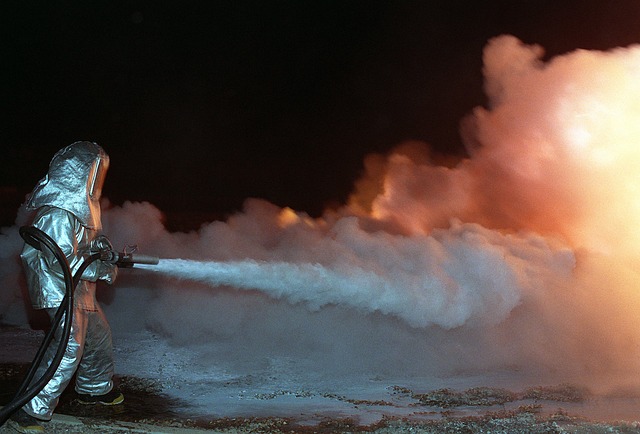
For commercial spaces in San Jose, efficient containment and extraction methods are even more critical. Businesses often have valuable assets and sensitive data requiring prompt attention. Property Restoration of the Capital Region offers specialized services tailored to these unique challenges, utilizing advanced techniques and technology to ensure thorough cleaning and restoration. By following meticulous protocols, fire damage restoration companies can help businesses reopen faster, minimizing downtime and potential losses. This includes removing water used in firefighting, as it can lead to secondary damage from mold growth if not addressed promptly.
Proper containment and extraction lay the foundation for successful fire damage restoration. It’s a delicate process that requires expertise and specialized equipment. By enlisting the help of reputable San Francisco or San Jose-based companies, property owners can have peace of mind knowing their spaces are in capable hands, leading to faster recovery times and minimal disruption to their lives or operations.
Structural Integrity & Safety: Addressing Underlying Issues
When facing fire damage, assessing structural integrity and safety is paramount to ensure a secure environment and proper restoration process. The initial step in same-day fire cleanup involves a thorough inspection to identify any structural weaknesses or hazards that may have been exacerbated by the fire. This includes evaluating the stability of walls, floors, and roofs, as well as checking for potential structural failures such as weakened beams or collapsed ceilings. Fire damage naturally can compromise the integrity of buildings, making it crucial to address these issues promptly.
In San Jose and the surrounding areas, restoring homes after devastating fires requires a comprehensive approach that extends beyond visible repairs. Professional fire recovery assistance teams conduct thorough air quality testing to identify hazardous substances left behind by the fire, such as asbestos or mold. These hidden dangers can pose significant health risks if not addressed properly. For instance, data from recent studies indicates that approximately 20% of residential fires result in elevated levels of toxic pollutants, underscoring the need for specialized air quality assessments. By ensuring optimal air quality, residents can safely return to their homes and prevent further health complications stemming from fire damage.
Restoring homes requires meticulous attention to detail, especially when it comes to structural repairs and reinforcing weakened areas. Property Restoration of the Capital Region experts emphasize the importance of using high-quality materials and adhering to building codes during the reconstruction process. For example, in cases where firewalls or load-bearing walls have been damaged, specialized contractors may recommend structural reinforcement techniques like steel bracing to ensure long-term stability. By addressing these underlying issues, residents can have peace of mind knowing their homes are safe and structurally sound following a fire.
Restoration Process: Revitalizing Your Home or Business
The restoration process after a fire is an intricate journey aimed at revitalizing your home or business to its former glory. It involves careful assessment, strategic planning, and meticulous execution to address not just the visible damage but also the underlying issues that may have been exacerbated by fire, smoke, and water. One of the key aspects in fire cleanup and restoration is understanding how to handle fire damage naturally, leveraging techniques that promote ecological healing while ensuring a safe environment. This involves selecting appropriate fire-resistant building materials as part of rebuilding efforts, which can significantly expedite the process of restoring homes faster after fires.
For instance, choosing flame-retardant insulation, non-combustible drywall, and fire-resistant flooring can create a robust barrier against future damage. Additionally, prompt action on fire damaged carpet repairs is crucial. Depending on the severity, it may be repaired or replaced entirely to prevent mold growth and ensure air quality inside your property. In some cases, professional restoration companies, like Property Restoration of the Capital Region, offer specialized services for extensive fire damage, employing advanced techniques such as odor removal, structural drying, and meticulous content cleaning. These methods not only restore physical structures but also help heal psychological wounds by creating a safe, familiar environment.
Data suggests that swift action within the first 48 hours can mitigate long-term consequences of fire damage. This includes assessing the scope of repair, containing and removing hazardous materials like asbestos or lead, and implementing temporary solutions to prevent further deterioration. While every restoration project is unique, adhering to a structured approach—from initial assessment to final inspection—ensures that your home or business not only looks but also feels like new again, reflecting the resilience and determination of those who dare to rebuild after disaster strikes.
Fire damage naturally begins with immediate safety and assessment, a crucial step to ensure the well-being of occupants and prevent further hazards. Containment and extraction follow, where professional restoration teams swiftly remove affected materials, halting fire damage in its tracks. Structural integrity and safety are paramount; addressing underlying issues prevents long-term complications. The restoration process revitalizes spaces, transforming them from fire-damaged to thriving environments. By understanding these key aspects—from initial assessment to final restoration—property owners can navigate the aftermath of fire damage effectively, leveraging professional expertise to restore their homes or businesses to their former glory.