



Fire damage naturally presents complex challenges requiring immediate action. Initial assessments by professionals are crucial for safety, cleanup, and restoration. Key steps include securing the scene, documenting damage, and understanding insurance policies. Specialized services, like those offered by Property Restoration of the Capital Region, ensure thorough decontamination, structural repairs, and historical preservation for historic structures. Choosing reliable experts with experience, certifications, and positive reviews ensures effective fire damage cleanup and recovery.
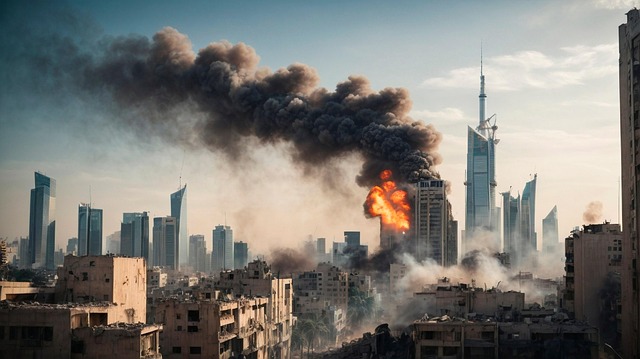
Fire damage is a devastating experience, leaving not just physical remnants but also emotional scars. As such, fire damage cleanup and restoration professionals play an indispensable role in the recovery process. These experts are equipped with the knowledge and tools to handle not only the visible debris but also the underlying issues that fire naturally inflicts on structures and contents. Their meticulous approach ensures not just a structure’s structural integrity but also the safe removal of hazardous materials and the restoration of personal belongings, helping individuals and communities heal after such traumatic events. In this article, we delve into the crucial work these professionals perform.
- Understanding Fire Damage: The Initial Assessment
- Safety First: Securing the Scene and Preventing Further Loss
- Documentation: Capturing the Extent of Fire Damage Naturally
- Restoration Process: Step-by-Step Guide to Repair and Rehabilitation
- Choosing Experts: Tips for Selecting Reliable Fire Damage Cleanup Professionals
Understanding Fire Damage: The Initial Assessment
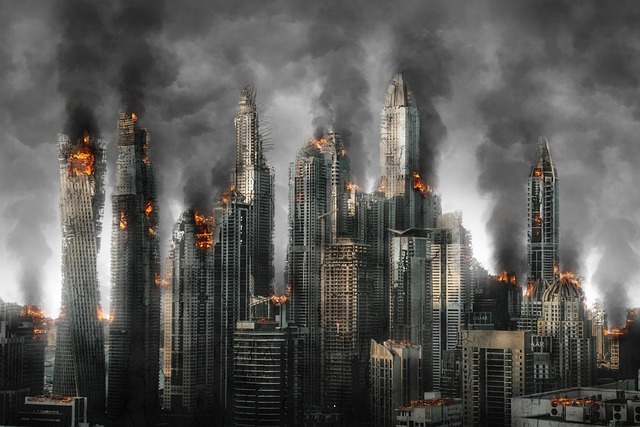
Fire damage presents unique challenges for both property owners and restoration professionals. Understanding fire damage naturally involves a meticulous initial assessment that forms the bedrock of the rebuilding process. This critical step is more than just inspecting visible casualties; it encompasses assessing structural integrity, identifying hidden risks like asbestos or mold, and determining the extent of smoke and water damage. The Bay Area fire victim support network has honed these skills, learning to navigate not just the physical destruction but also the emotional toll of fire disasters.
The initial assessment guides the entire cleanup and restoration process, from containing and mitigating immediate hazards to planning for long-term rebuilding communities after fires. Fire safety planning for families is paramount; professionals must ensure that residents are protected both during the emergency and in the aftermath. This includes implementing proper containment measures, documenting damage meticulously, and collaborating with local authorities to ensure compliance with safety regulations.
In cases like those managed by Property Restoration of the Capital Region, a comprehensive assessment reveals the full scope of fire damage. This may include structural repairs, decontaminating areas affected by smoke and water, and replacing personal belongings. Data from recent fires underscores the importance of professional intervention: a study found that nearly 70% of homes damaged by fire required specialized restoration services to fully recover their pre-loss condition.
Actionable advice for property owners facing fire damage emphasizes the need for swift action. Immediately secure the premises, contact emergency services and your insurance provider, then engage qualified restorers who can conduct a thorough initial assessment. This early intervention not only minimizes secondary damage but also speeds up the rebuilding process, offering peace of mind as residents work to rebuild their homes and communities.
Safety First: Securing the Scene and Preventing Further Loss
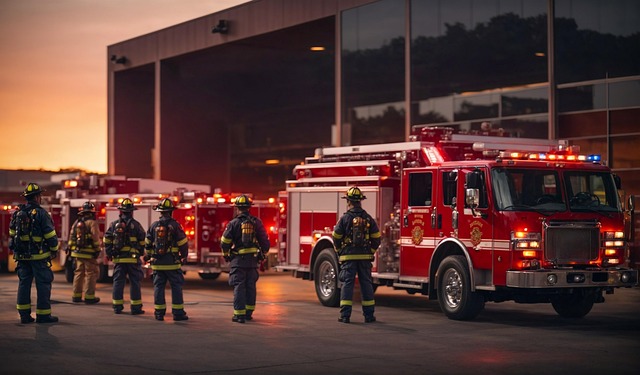
When a fire strikes, immediate actions to secure the scene and prevent further loss are paramount. Safety must be the top priority for both property owners and restoration professionals alike. The initial steps taken can significantly impact the overall cleanup and restoration process, ensuring that the affected area is not only restored but also made safe for future occupancy.
Fire damage naturally creates a hazardous environment, filled with burning embers, toxic smoke, and potential structural instability. Restoration professionals equipped with fire-resistant clothing guide their way through this challenging scenario. They assess the extent of the damage, identify immediate dangers, and implement measures to secure the premises. This includes boarding up broken windows to prevent further smoke infiltration and setting up temporary structural supports to stabilize the building’s integrity. Understanding fire insurance policies is crucial in this phase as well. Property owners should review their coverage details, making note of deductibles, restoration guidelines, and any specific requirements for documenting losses.
In addition to physical repairs, emotional support after fire damage is a critical aspect that often gets overlooked. Fire can leave behind not just physical scars but also profound psychological impacts on residents. Offering empathy and resources for mental health support can be a significant step in the healing process. The American Red Cross, for instance, provides emergency assistance, including temporary housing and emotional counseling, to those affected by disasters, including fires. This holistic approach to fire damage cleanup ensures that both the home and its inhabitants receive the care they need to move forward.
For comprehensive restoration services, Property Restoration of the Capital Region stands out as a trusted name. Their team of experts prioritizes safety, utilizes cutting-edge technology for efficient cleanup, and adheres to industry standards, ensuring that every aspect of fire damage restoration is handled with meticulous care.
Documentation: Capturing the Extent of Fire Damage Naturally

Fire damage cleanup and restoration is a delicate process requiring meticulous documentation to capture the full extent of fire damage naturally. This initial step serves as the foundation for effective restoration strategies, ensuring that every affected area receives tailored attention. Professionals in this field understand that documenting fire damage goes beyond mere visual assessment; it involves a comprehensive analysis that includes structural integrity checks, air quality testing, and the identification of heat-affected areas. For instance, advanced thermal imaging cameras can reveal hidden hotspots that may not be apparent to the naked eye.
One critical aspect often overlooked is the documentation of valuable possessions and irreplaceable items within the property. Fire damage naturally extends beyond physical structures; it can severely impact personal belongings and family heirlooms. Restoration experts emphasize the importance of detailed inventory lists, taking high-resolution photos, and even creating digital archives to facilitate efficient recovery and insurance claims. By implementing robust fire-safe storage solutions, families can significantly mitigate post-fire losses.
Local fire prevention resources play a pivotal role in preparing residents for such emergencies. Property Restoration of the Capital Region, for instance, offers workshops on fire safety planning for families, emphasizing the significance of early detection systems and evacuation routes. These measures not only help minimize damage but also ensure the safety of occupants during a fire incident. Regular maintenance of these systems and staying informed about local fire prevention guidelines are essential steps in safeguarding both homes and lives.
Additionally, professionals recommend creating a detailed restoration plan that aligns with local building codes and fire safety standards. This involves assessing structural integrity, addressing potential hazards, and implementing effective decontamination strategies. By documenting the entire process—from initial damage assessment to final restoration—restoration experts ensure transparency and provide families with a clear understanding of the steps taken to return their homes to pre-fire condition.
Restoration Process: Step-by-Step Guide to Repair and Rehabilitation

After a fire, the journey to restore and rehabilitate affected properties is meticulous and requires specialized knowledge. This step-by-step guide delves into the intricate process of fire damage cleanup and restoration, offering a comprehensive framework for both professionals and property owners. The initial phase involves assessing the extent of damage, which includes identifying fire and smoke residue. In San Francisco, where historic buildings are abundant, this meticulous examination is crucial to preserving architectural integrity while mitigating further deterioration caused by water intrusion during firefighting efforts.
Restoring historic structures after a fire demands a unique set of skills. The process entails careful documentation of the damage, followed by meticulous cleaning and decontamination. Fire and smoke damage decontamination is a critical step to ensure the safety of both occupants and restoration workers. Using specialized equipment and techniques, professionals remove hazardous debris, including charred materials and residual toxins. In cases where fire has left behind hazardous substances, it’s essential to engage experts in environmental remediation for thorough decontamination, as per guidelines set by local health authorities.
Following decontamination, the actual repair work begins. This involves structural repairs, such as replacing damaged walls, ceilings, and floors. For older structures, this may require sourcing period-appropriate materials to maintain historical accuracy. The San Francisco Bay Area’s Property Restoration of the Capital Region specializes in these nuanced approaches, ensuring that each restoration respects the building’s legacy. Once structural integrity is restored, the focus shifts to aesthetics, refinishing surfaces, and reinstating original features where feasible. This meticulous craftsmanship ensures not only a visually appealing space but also preserves the character of the property, whether it’s a historical landmark or a family home.
Choosing Experts: Tips for Selecting Reliable Fire Damage Cleanup Professionals
Choosing reliable fire damage cleanup professionals is a crucial step in the recovery process. With the potential for extensive destruction, it’s essential to select experts equipped to handle both fire and water damage restoration, ensuring your property is restored safely and effectively. Look for companies specializing in fire damage cleanup and restoration, like Property Restoration of the Capital Region, with proven experience in the Bay Area and San Jose. These professionals are trained to navigate the complexities of fire insurance claims assistance, providing peace of mind during an already stressful time.
Reputable firms should offer a comprehensive range of services, including structural stabilization, debris removal, smoke and soot cleanup, and restoration of personal belongings. Ask for references and check online reviews to gauge their performance and customer satisfaction levels. Additionally, verify their certifications from recognized organizations such as the Institute of Inspection, Cleaning, and Restoration Certification (IICRC). This ensures they adhere to industry standards and best practices in fire damage restoration.
A key indicator of reliability is a well-documented process for handling insurance claims. Local fire damage consultants can guide you through this labyrinthine process, ensuring your claim is accurately assessed and processed efficiently. Compare the proposals from different experts, paying close attention to the scope of work, estimated timeline, and cost breakdown. Remember, the lowest price isn’t always the best choice; prioritize professionals who offer transparent pricing and a proven track record of successful fire damage cleanup and restoration in the Bay Area and beyond.
By meticulously understanding fire damage and following a structured restoration process, including documenting the extent of damage naturally, individuals can effectively navigate the aftermath. Prioritizing safety and securing the scene is paramount to prevent further loss. The article has provided an authoritative guide, offering practical insights from initial assessment to choosing experts, empowering readers to make informed decisions. Key takeaways include the importance of documentation in fire damage naturally, a step-by-step restoration process, and the value of selecting reliable professionals for a successful recovery. This comprehensive approach ensures a systematic and effective cleanup and restoration, leaving no room for petty concerns or indecision.