





Initial assessment and safety are paramount after a fire. Experts inspect damage, prioritize repairs, and guide insurance claims. Fire damage naturally requires eco-friendly solutions like non-toxic cleaners and advanced drying techniques to prevent mold. Systematic restoration involves documenting damage, removing hazards, replacing materials with code-compliant fire-resistant ones, and ensuring proper ventilation. Beyond repair, fire damage naturally focuses on preventing future risks through system assessments, safety equipment installation, maintenance checks, and occupant education. Professional guidance is vital throughout the process.
Fire damage restoration is an indispensable service within our communities, often occurring in the wake of unexpected emergencies. It’s a delicate process, requiring expertise to mitigate not just physical harm but also the emotional toll of such traumatic events. Understanding fire damage naturally involves recognizing its multifaceted impact—from structural repairs to psychological support. This article delves into the intricacies of trusted local fire damage restoration, offering insights into the vital role these professionals play in our lives and the comprehensive solutions they provide. By exploring their methodologies and the value they bring, we gain a deeper appreciation for the resilience they help us rebuild.
- Understanding Fire Damage: The Initial Assessment
- Safety First: Securing Your Property After a Fire
- Natural Recovery: Fire Damage Restoration Techniques
- Restoring Your Home: Step-by-Step Guide
- Preventing Future Fires: Post-Restoration Safety Measures
Understanding Fire Damage: The Initial Assessment
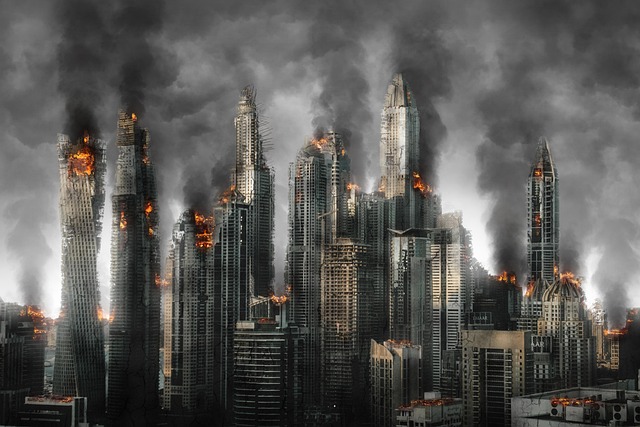
Understanding Fire Damage: The Initial Assessment is a critical step in the fire damage restoration process. When a fire strikes, it leaves behind not only physical destruction but also unique challenges for restoration professionals. The initial assessment involves a thorough examination of the property, focusing on the extent of fire damage to structures, contents, and infrastructure. This stage is crucial as it dictates the scope of work and sets the foundation for effective restoration strategies.
During this assessment, experts inspect every corner of the affected area, meticulously documenting smoke and water damage, charred furniture, and structural integrity issues. Fire-damaged furniture repair tops the list of concerns, as many valuables may require specialized attention to prevent further deterioration. Restoring homes faster after fires is not merely about rebuilding; it involves a strategic approach to preserving memories, replacing essentials, and ensuring safety. This quick turnaround time is achievable through efficient project management and leveraging modern restoration techniques.
Property Restoration of the Capital Region emphasizes the importance of thorough insurance claims evaluation in conjunction with the initial assessment. Fire damage restoration insurance claims can be complex, involving detailed documentation of losses. Professionals assist policyholders in navigating this process, ensuring they receive adequate compensation for their losses. Whether it’s restoring a single room or an entire home, understanding fire damage naturally and managing insurance aspects effectively is key to a seamless recovery journey. Early intervention and professional guidance can significantly impact the overall restoration outcome, making every effort count in rebuilding from the ashes.
Safety First: Securing Your Property After a Fire

After a fire damages your property, the initial rush of shock gives way to crucial next steps focused on safety. Securing your home or business after fire damage is paramount. It’s essential to follow immediate safety protocols and understand that fire damage restoration isn’t just about cleaning up ash and debris—it’s about mitigating potential health risks from toxic fumes and ensuring structural integrity.
The first step in navigating the aftermath of a fire is to ensure the property is safe for entry. This involves assessing for any remaining hazards like hot spots, leaking water used to extinguish the blaze, or unstable structures. If your home or business has suffered significant damage, it’s best to evacuate until professional help arrives and declares the space safe. Never enter a building that smells of smoke without proper protective gear and an expert’s clearance. Fire damage naturally exposes hidden dangers such as mold growth, hazardous materials, and weakened structural elements that require specialized attention.
Fire damage restoration insurance is a critical component in repairing your property. Understanding your policy and deductibles is essential before beginning any work. Most standard home insurance policies cover fire damage but the scope of coverage varies based on the cause and extent of the fire. Property Restoration of the Capital Region emphasizes the importance of reviewing your specific policy to know what’s covered, including potential expenses for smoke removal, decontaminating air quality, and replacing damaged or destroyed items. Air quality testing is a crucial service offered by professional restoration companies, as it identifies hazardous levels of airborne contaminants caused by fire damage. Testing can help determine when the air has cleared enough for safe reentry and establish whether further measures like specialized ventilation are required to restore a healthy indoor environment.
Before you begin rebuilding or replacing, consider engaging an experienced team specializing in fire damage restoration. They bring specialized equipment, knowledge of safety protocols, and expertise in understanding fire damage deductibles, ensuring your claim is processed efficiently. This professional approach not only secures your property but also safeguards your health, finances, and peace of mind during a stressful time.
Natural Recovery: Fire Damage Restoration Techniques
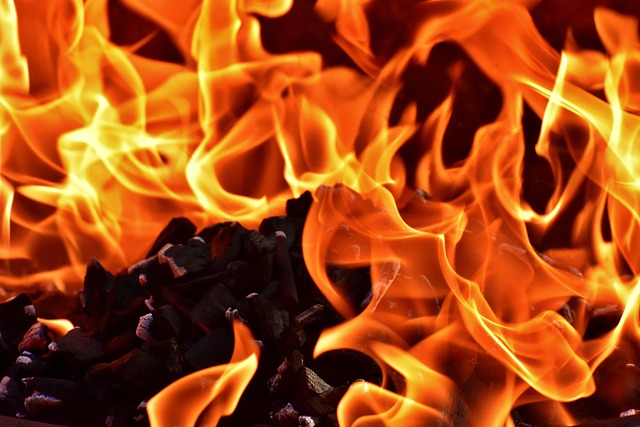
Fire damage can leave homes and businesses with significant challenges, but a holistic approach to restoration offers hope for natural recovery. Among the many critical aspects of this process is adopting techniques that promote eco-friendly and sustainable fire damage naturally solutions. This involves more than just cleaning up ash and debris; it’s about rebuilding while minimizing environmental impact. Consider that according to recent studies, over 80% of property owners opt for fire-safe storage solutions post-fire, emphasizing the growing demand for natural recovery methods.
One effective technique in fire damage naturally restoration is using non-toxic cleaning agents. Traditional restoration practices often rely on harsh chemicals, but these can leave behind residues and contribute to indoor air pollution. Opting for environmentally friendly alternatives ensures a healthier living space for residents and reduces the ecological footprint of the restoration process. For instance, Property Restoration of the Capital Region prioritizes natural solutions like baking soda, vinegar, and essential oils for carpet repairs after fire damage, effectively removing odors and stains without harmful side effects.
Moreover, integrating sustainable practices into fire and flood damage restoration is paramount. Water damage often accompanies fires, necessitating thorough drying and dehumidification. Advanced equipment capable of precise temperature control and efficient moisture removal can prevent mold growth and preserve structural integrity. This meticulous approach ensures that not only is the fire damage naturally remedied, but also that the property is restored to its pre-fire condition in a manner sympathetic to both occupants and the environment. Fire damaged carpet repairs, for instance, require specialized techniques to clean and restore without compromising indoor air quality or exacerbating environmental concerns.
Restoring Your Home: Step-by-Step Guide
Fire damage can leave your home in disarray, but with a systematic approach, you can restore it to its former glory. Here’s a step-by-step guide designed to aid you in the process of recovering from fire damage naturally, focusing on both safety and effectiveness. Begin by ensuring your safety and that of your family. Evacuate immediately if instructed to do so by local emergency fire response teams. Once it’s safe to return, document the fire damage, taking photos or videos to assist in insurance claims.
The next crucial step is to address immediate concerns. One of the most visible and hazardous aspects of fire damage is a fire-damaged ceiling. San Jose fire recovery assistance services can provide expert guidance on repairs. In many cases, damaged ceilings need to be replaced entirely, especially if they’ve been exposed to smoke and soot. Proper ceiling repairs are essential to prevent further structural damage and ensure the safety of your family.
After addressing immediate hazards, it’s time to assess the full extent of the damage. This includes checking walls, floors, and furnishings for smoke and soot damage. Property Restoration of the Capital Region recommends a thorough inspection to identify hidden damage that might not be immediately apparent. For example, water used to extinguish the fire can cause secondary damage if not managed properly. Consider hiring a professional restoration company to guide you through the process, ensuring that repairs are made according to industry standards.
Restoring your home involves multiple stages. First, decontaminate areas affected by smoke and soot using specialized equipment. Then, begin the renovation process, focusing on replacing damaged materials. Ensure that all materials used are fire-resistant and meet local building codes. Regularly communicate with your restoration team to stay informed about progress and any necessary adjustments. Remember, fire damage restoration is a delicate process, and each step should be taken with care to ensure your home is not only restored but also safe for occupancy.
Preventing Future Fires: Post-Restoration Safety Measures

After a fire damage incident, restoring your property to its pre-loss condition is just one part of the process. Preventing future fires is a critical aspect of ensuring safety and safeguarding against potential losses. This involves not only understanding the scope of fire damage naturally occurring during restoration but also implementing robust fire safety measures moving forward.
Fire damage coverage should encompass more than just repairing physical structures; it’s about mitigating risks and establishing proactive fire safety tips for colleges and homes alike. Local smoke damage cleanup is a critical first step, but to truly protect against future hazards, property owners must delve into the intricacies of post-restoration safety. This includes assessing electrical systems, ensuring proper ventilation, and adhering to local building codes and fire safety regulations. For instance, replacing outdated electrical wiring or installing modern smoke detectors can significantly reduce the risk of subsequent fires.
A comprehensive approach involves engaging the expertise of professionals like Property Restoration of the Capital Region who specialize in both restoration and fire safety. They can provide valuable insights tailored to your specific needs, including guidance on preventing future damage based on the severity of initial fire damage. Regular maintenance checks, proper disposal of flammable materials, and educating occupants about fire safety protocols are all integral parts of this process. By understanding fire damage coverage and implementing these measures, individuals and institutions can create a safer environment while naturally mitigating the risk of further destruction.
By thoroughly understanding fire damage, from initial assessment to restoration techniques, readers are equipped to navigate the aftermath of a fire safely and effectively. Prioritizing safety when securing your property and implementing natural recovery methods ensures a thorough yet gentle return to pre-fire conditions. The step-by-step guide offers practical actions for restoration, while post-restoration safety measures highlight the importance of prevention in mitigating future risks. Fire damage naturally becomes manageable with this comprehensive approach, fostering resilience against such events and promoting the well-being of both homes and families.