






Fire damage restoration requires local, experienced specialists who offer comprehensive services adhering to industry standards. Prioritize natural solutions like ventilation, green building principles, and sustainable cleaning methods for healthier outcomes. For commercial spaces, follow a structured approach: assess, clear the area, plan tailored repairs, execute with skilled contractors, and implement fire prevention measures. Historical homes demand specialized restoration techniques to preserve antique finishes. Regular inspections, education, and up-to-date systems reduce future risks.
In the face of unforeseen circumstances like fires, businesses require swift and expert intervention to mitigate fire damage naturally and restore their operations. The impact of fire can be devastating, leaving behind not just physical structures but also critical data and memories. This is where local fire damage restoration specialists step in, offering vital services that go beyond mere cleanup. With specialized knowledge and cutting-edge techniques, these experts navigate the complexities of fire damage assessment, containment, and repair, ensuring businesses can recover and thrive. In this authoritative piece, we delve into the intricacies of engaging these specialists, highlighting their indispensable role in restoring not just buildings but also business resilience.
- Identifying Reliable Fire Damage Restoration Specialists
- The Role of Natural Processes in Fire Recovery
- Step-by-Step Guide to Business Recovery After Fire
- Ensuring Long-Term Resilience Post-Fire Damage
Identifying Reliable Fire Damage Restoration Specialists

Identifying Reliable Fire Damage Restoration Specialists is a critical step when facing the aftermath of a fire. Businesses must turn to local fire damage restoration pros who possess the expertise and resources to handle such complex situations. According to recent studies, proper restoration techniques can significantly reduce potential health risks associated with fire damage, emphasizing the need for professionals who understand fire safety tips for colleges and businesses alike.
When selecting a specialist, it’s crucial to look beyond initial offers or fastest response times. Reputable firms like Property Restoration of the Capital Region prioritize thorough air quality testing 1-3 times during the restoration process to ensure safe, healthy environments post-fire. This meticulous approach involves assessing smoke and soot levels, identifying hazardous materials, and implementing specialized cleaning techniques tailored to each unique scenario. For instance, a business may require different recovery strategies compared to a college campus due to varying building structures and contents.
A professional fire damage restoration specialist should offer comprehensive services, including structural repairs, content cleaning and rebuilding, as well as documentation for insurance claims. They must also adhere to industry standards and regulations, ensuring compliance with local fire safety codes. By choosing a trusted local firm, businesses can expect efficient recovery, minimal disruption to operations, and peace of mind knowing their space is safe and healthy for occupants upon re-entry.
The Role of Natural Processes in Fire Recovery
Fire damage can leave businesses with devastating consequences, but understanding the role of natural processes in fire recovery offers valuable insights for effective restoration. While it might seem counterintuitive to rely on nature for healing, many organic and sustainable methods have proven successful in mitigating the impact of fire damage naturally. For instance, proper ventilation allows smoke and soot to dissipate, preventing long-term health issues for occupants. Additionally, natural cleaning agents like vinegar and baking soda can effectively remove residue left behind by fires without harsh chemicals.
In the case of extensive fire and flood damage restoration, particularly in residential areas like apartments, understanding local ecosystems is crucial. Restoring kitchens after a fire, for example, involves sourcing materials that align with the region’s natural resources. Property Restoration of the Capital Region has successfully implemented eco-friendly practices, demonstrating that fire damage restoration can be both effective and sustainable. By embracing natural solutions, businesses not only contribute to environmental preservation but also foster a quicker return to operations, ensuring continuity and resilience in the face of adversity.
Moreover, integrating green building principles during reconstruction speeds up healing without compromising quality or safety. This approach not only minimizes secondary damage from prolonged exposure but also creates healthier, more resilient spaces for employees and customers. For businesses aiming to restore their facilities after a fire, considering natural processes and materials can lead to superior outcomes that respect both the environment and the community’s well-being.
Step-by-Step Guide to Business Recovery After Fire
A fire in a commercial space can be devastating, disrupting operations, causing structural damage, and leading to significant financial losses. However, with prompt action and expert guidance, businesses can navigate the recovery process effectively. This step-by-step guide offers valuable insights for Bay Area business owners looking to restore their operations after a fire, focusing on natural fire damage solutions where possible and emphasizing the importance of professional assistance from local specialists like Property Restoration of the Capital Region.
Step 1: Assess the Damage and Activate Your Plan
The initial response is critical. Once the emergency services have left, conduct a thorough assessment of the property. Document all damage using photos and videos for insurance purposes. Collaborate with Bay Area fire recovery specialists who can provide immediate support. These experts will help determine the extent of the fire damage, including hidden areas affected by smoke and water used to extinguish the blaze. This step involves more than just visual inspection; it requires knowledge of construction materials and potential health hazards associated with fire damage, which is where local specialists shine, offering a comprehensive understanding of your specific building’s needs.
Step 2: Ensure Safety and Temporarily Relocate (if Necessary)
Public safety should always be the top priority after a fire. Clear the premises and ensure no one re-enters until it’s declared safe by professionals. If the business cannot operate from its original location, temporary relocation is crucial. Property Restoration of the Capital Region can assist with finding suitable alternative spaces to maintain business continuity while your facility undergoes remediation. This step often includes coordination with insurance adjusters who will assess the situation and begin the claims process.
Step 3: Develop a Comprehensive Restoration Plan
Engage Bay Area fire recovery specialists to create a detailed plan for restoring your property, focusing on natural fire damage repair where applicable. The plan should cover everything from structural repairs and decontaminating affected areas to rebuilding systems and infrastructure. Local specialists can provide expert advice tailored to the specific challenges posed by fire damage, ensuring your business reopens not just functional but also safe and compliant with local building codes.
Step 4: Execute the Plan and Rebuild
With a solid plan in place, it’s time to restore your commercial space. The process may involve significant coordination among various contractors, from structural engineers and carpet cleaners to electrical specialists and plumbers. Property Restoration of the Capital Region can oversee these efforts, ensuring all work aligns with your established timeline and budget. This step also includes addressing any fire prevention concerns, such as upgrading aging wiring or installing modern fire suppression systems, a critical consideration for businesses looking to mitigate future risks, especially for Bay Area veterans who may require specific resources and assistance.
Ensuring Long-Term Resilience Post-Fire Damage
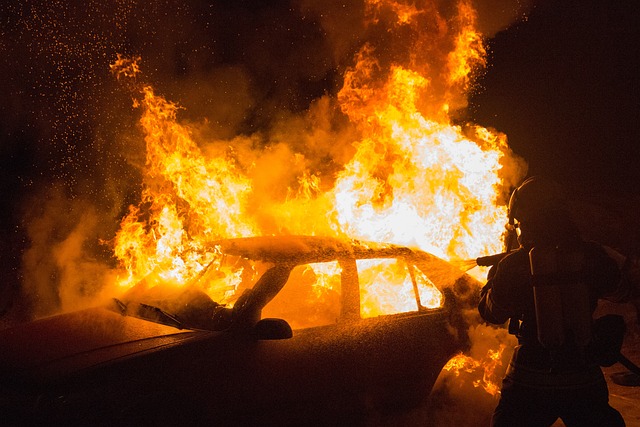
Fire damage, while devastating, presents an opportunity for businesses to strengthen their resilience and enhance their long-term sustainability. A comprehensive fire damage restoration process goes beyond cleaning up the aftermath; it involves meticulous planning, specialized techniques, and a deep understanding of fire’s unique impact on various materials. For commercial properties, especially historical homes and buildings with valuable furniture, a tailored approach is essential.
The immediate response to fire damage should incorporate measures like fire suppression, which can significantly limit secondary damage from smoke and water used in extinguishing the blaze. After the initial crisis, engaging professionals equipped to handle specific challenges like restoring historical structures or repairing fire-damaged furniture is crucial. For instance, specialized techniques are required for preserving antique finishes and fabrics affected by heat, smoke, and water. Property Restoration of the Capital Region, with its expertise in both general restoration and specialized projects, can offer tailored solutions for these unique situations.
Fire prevention plays a pivotal role in ensuring long-term resilience. Implementing fire safety measures like regular inspections, up-to-date suppression systems, and educating employees on evacuation protocols can significantly reduce potential losses. Moreover, offering fire prevention classes for kids in communities surrounding commercial areas promotes a culture of awareness from an early age. According to the National Fire Protection Association (NFPA), these proactive steps can lead to substantial decreases in fire incidents and associated damages over time. Businesses that prioritize both immediate restoration and ongoing fire safety initiatives position themselves for greater resilience against future fire damage, ensuring the longevity of their operations and assets.
By meticulously navigating the process of fire damage restoration, businesses can not only recover but also build resilience against future fires. Key takeaways include identifying reputable specialists who employ natural recovery processes to ensure effective yet environmentally conscious healing. A step-by-step approach, from immediate response to long-term planning, is crucial for successful business continuity. This comprehensive strategy involves assessing damage, prioritizing safety, and implementing sustainable restoration techniques that allow businesses to thrive post-fire, naturally reclaiming their space as vibrant hubs of activity.