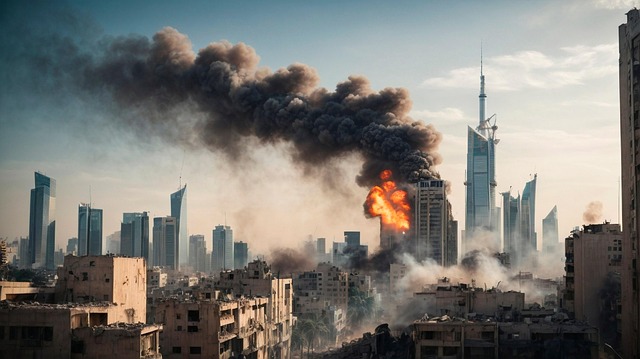







Fire damage restoration requires meticulous initial assessments to understand visible and hidden effects, from structural issues to personal belongings. Local specialists conduct thorough inspections, document everything, and uncover latent damage beneath surfaces, emphasizing the emotional impact on business owners. Swift evaluation is crucial for critical infrastructure and essential records.
Restoration involves removing smoke residue, structural repair, and adherence to fire safety standards. Green remediation offers an environmentally conscious approach using eco-friendly materials and methods, reducing carbon emissions by up to 40%. Accurate documentation with high-resolution photography and detailed reports ensures smooth insurance claims processing.
Key strategies for effective recovery include expert restoration services, use of fire-resistant building materials, and support from local disaster relief organizations. Combining these strategies enables businesses to rebuild with resilience and adaptability, focusing on natural recovery and long-term thriving.
In the realm of business ownership, few challenges are as daunting as confronting fire damage. The sudden onset of flames can leave behind not just physical wreckage but also disruption, loss, and a complex path to recovery. Fire damage remediation services are therefore an indispensable resource for businesses seeking to rebuild and restore their operations swiftly and effectively. This article delves into the critical role these services play in mitigating the impact of fire damage, focusing on local expertise and natural restoration techniques that foster robust, resilient business environments.
- Understanding Fire Damage: The Initial Assessment
- Safety First: Evacuation Protocols for Businesses
- Fire Damage Restoration: A Comprehensive Guide
- Natural Recovery: Utilizing Green Remediation Techniques
- Documenting Loss: Insurance Claims and Business Continuity
- Rebuilding with Resilience: Post-Fire Business Recovery Strategies
Understanding Fire Damage: The Initial Assessment
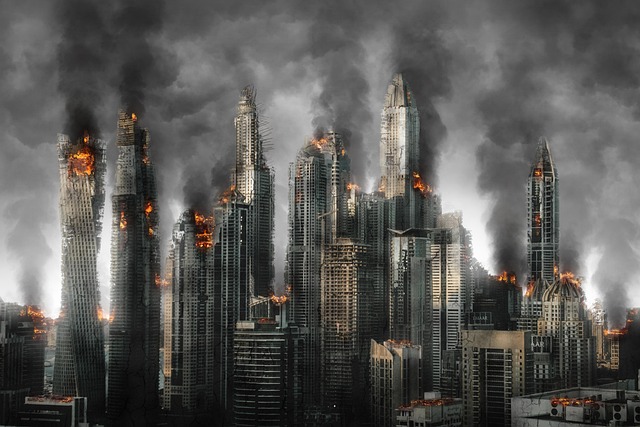
Fire damage requires a meticulous understanding of the extent and type of devastation caused to effectively initiate remediation processes. The initial assessment stage is pivotal in any fire damage restoration project, as it lays the groundwork for the entire recovery effort. This critical phase involves a comprehensive evaluation of the affected property in San Francisco, identifying both visible and hidden scars left by fire damage naturally.
Local fire damage cleanup specialists, equipped with advanced training and expertise, conduct thorough inspections to determine the severity of smoke, heat, and water damage. They meticulously document every aspect, from structural integrity issues to the condition of personal belongings and business records. For example, a detailed assessment might uncover charred walls, singed textiles, or even latent damage beneath surfaces that require specialized attention. In cases where fire has affected critical infrastructure or essential records, a swift and precise evaluation is crucial to mitigate further loss and ensure efficient restoration.
Restoring textiles after a fire is a delicate process, requiring expert knowledge of fabric types and their vulnerabilities. From vintage clothing to valuable artwork, local specialists understand the unique challenges involved in salvaging these items. Using advanced techniques, they can clean and repair fabrics affected by smoke and heat damage naturally, ensuring that cherished possessions are preserved as much as possible. The same level of care is extended to business assets, including documents and equipment, which often hold immense value for their owners.
Property Restoration of the Capital Region emphasizes the importance of a thorough initial assessment, noting that this step is not just about inspecting physical damage but also understanding the emotional impact on business owners. By combining technical expertise with empathy, these specialists can tailor restoration plans to meet specific needs, ensuring a seamless transition back to normal operations as quickly and efficiently as possible.
Safety First: Evacuation Protocols for Businesses

When a business faces fire damage, safety must be the top priority. Evacuation protocols are critical to ensuring every individual’s well-being during such crises. In the initial moments after a fire, swift and organized evacuations can significantly reduce risks and loss of life. Local fire prevention resources emphasize that effective evacuation plans should consider various scenarios, including early warning systems, clear escape routes, assembly points, and responsibilities assigned to staff members.
For instance, businesses in the Bay Area, known for its dense urban landscapes, often face unique challenges. Data from recent fires highlights the importance of comprehensive planning. According to local fire departments, many businesses lacked well-rehearsed evacuation procedures, leading to longer evacuation times compared to neighboring areas with robust protocols. To prevent such outcomes, every business should conduct regular drills, ensuring staff members are trained in emergency response.
Property Restoration of the Capital Region offers expert advice: involve all employees in the development and rehearsal of evacuation plans. Designate clear leaders responsible for guiding others during an evacuation. Ensure fire alarms and detection systems are well-maintained and tested regularly. Moreover, providing local fire prevention resources and supporting Bay Area fire victim relief funds can help rebuild communities after fires, fostering a sense of resilience and preparedness.
In the aftermath of fire damage, businesses should also be aware of the psychological impact on employees and customers. Offering counseling services or referring individuals to support groups can aid in recovering from the trauma. This holistic approach ensures that safety measures extend beyond physical structures, addressing the emotional well-being of those affected by fire damage naturally.
Fire Damage Restoration: A Comprehensive Guide
Fire damage can be a devastating experience for any business owner, but understanding the process of fire damage restoration is key to minimizing disruption and ensuring a swift return to operations. This comprehensive guide delves into the intricacies of fire damage remediation, offering expert insights tailored to commercial properties in San Jose.
The initial step in fire damage restoration involves assessing the extent of the harm. First responders play a vital role here, not just in containing the immediate danger but also in providing crucial fire safety tips that can prevent further loss. They utilize specialized equipment and techniques to locate hidden embers and assess structural integrity, ensuring a safe environment before restoration begins. For rental properties, this process is particularly critical as it involves balancing the needs of both property owners and tenants, often with strict timelines set by insurance policies.
Once safety is confirmed, the actual restoration process starts. Fire damage naturally leaves behind smoke residue and soot, which can cause long-term odors and health issues if not properly addressed. Professional restoration services employ advanced equipment to remove these contaminants, using specialized vacuums and air filters to restore indoor air quality. For commercial spaces, this might involve temporary relocation of operations to ensure business continuity. Property Restoration of the Capital Region, for instance, offers comprehensive solutions, including fire damage restoration for rental properties, ensuring a swift return to productivity.
Restoring physical structures involves careful deconstruction and reconstruction. This includes rebuilding damaged walls, repairing or replacing flooring, and restoring critical systems like heating, ventilation, and air conditioning (HVAC). It’s essential to use materials that meet fire safety standards to prevent future hazards. The process is detailed and often takes considerable time, with each step meticulously planned to ensure quality and adherence to building codes. Regular updates from restoration specialists are crucial for business owners, helping them navigate the journey of restoring their commercial spaces.
Natural Recovery: Utilizing Green Remediation Techniques
In the aftermath of a fire, businesses often face a daunting task in restoring their operations and premises to their pre-loss condition. Natural recovery through green remediation techniques offers an environmentally conscious approach to fire damage restoration. This method focuses on minimizing the environmental impact while effectively mitigating the remnants of the blaze. Understanding fire damage coverage and its potential scope is crucial for business owners aiming for swift and sustainable recovery.
Green remediation emphasizes the use of eco-friendly materials, methods, and products throughout the restoration process. For instance, using biodegradable cleaning agents and non-toxic paints ensures that the air quality inside the building remains safe for occupants, preventing further health risks. Local fire prevention resources play a vital role in guiding businesses on best practices for recovery. Property Restoration of the Capital Region, for example, offers specialized services tailored to help businesses navigate the complex process of restoring homes after devastating fires while adhering to green remediation principles.
By adopting these techniques, businesses can achieve effective fire damage naturally, preserving their physical assets and contributing to a healthier environment. Data suggests that green restoration practices can reduce carbon emissions by up to 40% compared to traditional methods. Moreover, using sustainable materials can enhance the long-term resilience of buildings against future hazards, offering a cost-effective and eco-conscious solution for fire-damaged properties. Business owners are encouraged to seek expert advice and local resources to ensure their recovery efforts align with environmental sustainability goals.
Documenting Loss: Insurance Claims and Business Continuity
Documenting loss accurately is a critical step in the fire damage remediation process for businesses. When a blaze strikes, swift action from local fire damage cleanup specialists is essential to mitigate secondary damages and preserve business continuity. In the chaotic aftermath of a fire, a systematic approach to documenting fire damage naturally emerges as a cornerstone for successful claims and restoration efforts.
For example, in restoring after a fire in Palo Alto, California, businesses often turn to local experts who specialize in both fire damage cleanup and historical home restoration. These specialists meticulously document every aspect of the fire’s impact using high-resolution photography, detailed reports, and even heat mapping to capture the extent of the destruction. This comprehensive documentation serves as irrefutable evidence for insurance claims, ensuring business owners receive fair compensation for their losses.
The process involves assessing structural damage, inventory loss, and potential environmental hazards. Each element requires specific attention to detail, from recording charred structures and melted contents to identifying hazardous materials that may have been exposed during the fire. Property Restoration of the Capital Region emphasizes this meticulous documentation as a key factor in ensuring their clients’ claims are processed smoothly and accurately.
Moreover, when it comes to historical homes, fire damage restoration requires a delicate balance between preserving heritage and repairing damage. Local specialists in these areas are adept at documenting unique architectural details, intricate finishes, and original artifacts, ensuring that the restoration process respects the home’s historical significance. This level of expertise is invaluable for businesses navigating complex insurance claims while striving to preserve their legacy.
Rebuilding with Resilience: Post-Fire Business Recovery Strategies

Rebuilding with Resilience: Post-Fire Business Recovery Strategies
Experiencing fire damage can be a devastating event for any business, disrupting operations, causing significant financial losses, and leaving behind a trail of emotional and logistical challenges. However, amidst the chaos, there is an opportunity to emerge stronger and more resilient. This involves not just restoring physical structures but also implementing strategies that ensure businesses can bounce back from fire damage naturally and thrive in the long term. One key aspect often overlooked is the critical role of expert fire damage restoration for medical facilities, which require meticulous care due to their specialized nature. Organizations like Property Restoration of the Capital Region specialize in this domain, offering comprehensive services tailored to meet the unique needs of healthcare institutions.
A robust fire-resistant building materials guide can be an invaluable asset for business owners looking to mitigate risks and minimize potential losses. Incorporating these materials during construction or renovations can significantly slow down the spread of fire, providing crucial time for evacuation and rescue operations. For example, concrete, steel, and brick structures are known for their inherent fire resistance, while specialized coatings and finishes can further enhance a building’s ability to withstand flames. By proactively implementing such measures, businesses can set the stage for smoother recovery processes post-disaster.
Beyond restoration, local fire disaster relief organizations play a pivotal role in supporting affected businesses during the immediate aftermath. These groups provide essential services like temporary shelter, food assistance, and emotional support for employees, enabling them to focus on business continuity planning. Data from recent fire disasters highlights the critical need for such organizations, with many businesses struggling to reopen without their aid. By leveraging these resources effectively, companies can navigate through the initial chaos and start the rebuilding process with a strong foundation. Ultimately, combining expert restoration services, strategic building materials choices, and local relief organization support equips businesses with the tools they need to rebuild with resilience and emerge more adaptable than ever before.
By meticulously addressing each phase of fire damage remediation—from initial assessment and safety protocols to restoration, green techniques, insurance claims, and recovery strategies—this article equips businesses with a comprehensive roadmap for navigating fire damage naturally. Key insights include the paramount importance of rapid evacuation procedures, a step-by-step guide to restoration processes, and the benefits of eco-friendly, green remediation methods for both environmental and economic sustainability. Additionally, understanding the insurance claims process and implementing robust business continuity plans are underscored as essential elements for resilient post-fire recovery. Armed with these strategies, businesses can not only mitigate losses but also emerge stronger, prepared to rebuild with enhanced resilience.