




Immediate post-fire safety and professional assessment are paramount for structural stability and hazardous material presence. Fire damage restoration varies by property type: places of worship focus on spiritual sanctuary, while businesses prioritize rapid response, content salvage, and stabilization. Key steps include containment, removal of fire/water damage, decontamination, and rebuilding/remodeling.
Natural recovery through decomposition and sunlight can be risky, leading to mold growth and reduced property value. Professional intervention balances natural processes with human strategies for structural integrity, hazardous material removal, and prevention of further deterioration.
Safe containment and proper ventilation are essential for fire damage restoration, minimizing health risks and enabling natural restoration without introducing hazards. Swift action within 24-48 hours improves recovery outcomes.
San Francisco and San Jose companies emphasize containment and ventilation, using advanced techniques to mitigate secondary water damage naturally. Severe cases may require cutting out damaged sections and installing new flooring.
Historical homes demand specialized services addressing both physical and psychological scars through natural restoration methods, minimizing disruption and preserving integrity while offering emotional support for survivors' PTSD reduction.
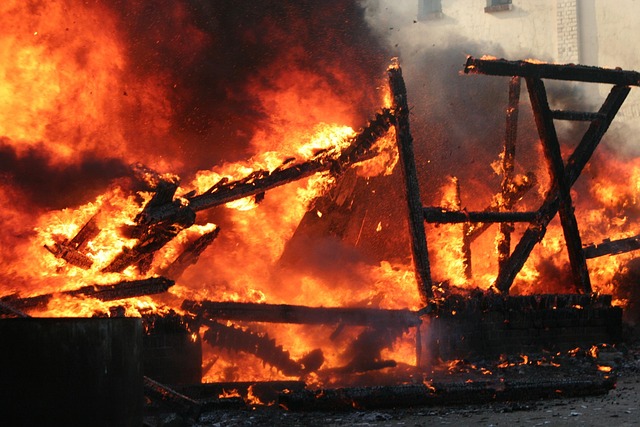
Fire damage is a devastating experience for any homeowner or business owner. The aftermath of a fire leaves behind not only physical destruction but also emotional trauma. Prompt and professional same-day fire cleanup and restoration services are crucial in mitigating the effects of fire damage naturally, preserving memories and assets, and helping individuals and communities recover faster. Our comprehensive guide delves into the intricate process, highlighting the expertise and specialized techniques needed to restore properties and lives after a fire.
- Immediate Safety: Prioritizing After a Fire Outbreak
- Assessing Fire Damage: Natural Recovery vs. Intervention
- Containment and Ventilation: Safely Restoring Your Space
- Water Damage Prevention: Essential Post-Fire Steps
- Restoration Techniques: From Ashes to Fresh Start
- Emotional Wellbeing: Coping with Fire Trauma Naturally
Immediate Safety: Prioritizing After a Fire Outbreak
After a fire outbreak, immediate safety is paramount. The first steps following a fire include assessing the damage to ensure no structural instability exists and confirming the presence of hazardous materials like smoke and gas. This critical phase requires professional training and expertise; untrained individuals should not enter a damaged structure due to potential risks from falling debris or toxic fumes. Once safety is confirmed, prioritizing fire damage restoration begins.
For places of worship like churches, fire damage restoration involves more than just cleaning physical structures; it’s about restoring spiritual sanctuaries. Local fire prevention resources often offer guidance and financial assistance for these sensitive locations. Property Restoration of the Capital Region specializes in fire damage restoration for churches, understanding that each building has unique historical and sentimental value. Similarly, businesses affected by fires need prompt attention to minimize disruption and loss of operations. Fire damage restoration for businesses focuses on rapid response, content salvage, and structural stabilization to help companies recover efficiently.
The process includes several key steps: containment to prevent further spread, removal of fire and water damage, decontamination to mitigate smoke and soot, and rebuilding or remodeling as needed. Utilizing specialized equipment and expertise, professionals employ methods tailored to the specific type of fire damage—be it from a small kitchen blaze or a large commercial fire. Regular contact with local fire departments and community resources ensures businesses stay informed about available aid and best practices for fire damage restoration. Data shows that swift action within the first 24-48 hours significantly improves recovery outcomes, emphasizing the critical importance of immediate safety and professional intervention after a fire outbreak.
Assessing Fire Damage: Natural Recovery vs. Intervention
Assessing Fire Damage: Understanding the Balance Between Natural Recovery and Intervention
When a fire strikes, whether in a residential setting like San Francisco fire damage repair or a commercial one, such as fire safety tips for colleges, the initial response often revolves around containment and suppression. Yet, the subsequent process of fire damage restoration is where the true art of recovery lies. One critical aspect to consider is the role of natural recovery versus intervention—allowing the affected area to heal on its own versus actively facilitating the healing process with professional assistance.
In many cases, minor to moderate fire damage can indeed recover naturally over time. This process involves the gradual breakdown and removal of damaged materials by elements like wind, rain, and sunlight. For example, charred wood may eventually break down into compost, and affected insulation can be replaced by natural processes. However, this approach isn’t without its challenges. Fire damage naturally left untreated can lead to the growth of mold and bacteria, structural instability, and even further deterioration of property values. Moreover, for rental properties or commercial spaces, allowing fire-damaged areas to recover naturally could result in prolonged downtime, impacting tenants or business operations.
In such scenarios, professional fire damage restoration becomes indispensable. Property Restoration of the Capital Region offers a wealth of expertise in navigating these complex situations. Their team of specialists employs advanced techniques and equipment to safely and effectively mitigate fire damage. From structural stabilization to decontaminating affected areas, these professionals ensure that not only is the visible damage repaired but also any underlying issues addressed. For instance, in cases where water damage accompanies fire damage, proper restoration involves removing moisture from walls, floors, and insulation while preventing mold growth—a process that mimics nature’s healing but with accelerated, controlled results.
The decision between natural recovery and intervention depends on various factors: the extent of fire damage, the presence of hazardous materials, property value considerations, and time constraints. For San Francisco fire damage repair or restoration in rental properties, consulting with experts like Property Restoration of the Capital Region can provide invaluable insights. Ultimately, a balanced approach that combines the benefits of natural recovery with strategic intervention ensures not only physical restoration but also the preservation of memories, safety, and financial stability for all involved.
Containment and Ventilation: Safely Restoring Your Space
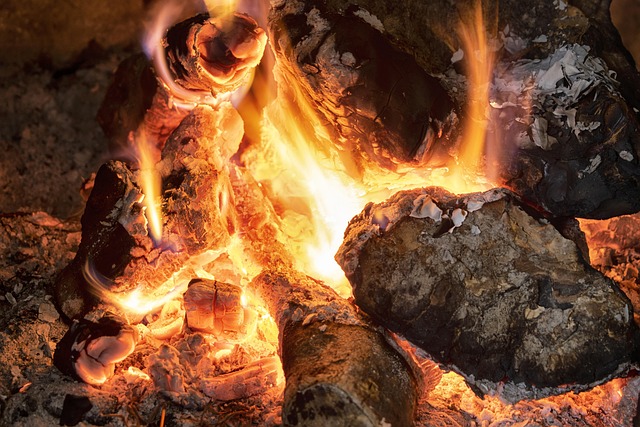
Fire damage can leave behind more than just charred remains; it creates a complex mix of hazardous materials, including smoke, ash, and potentially toxic gases. Safe containment and proper ventilation are crucial steps in the fire cleanup and restoration process, ensuring your space is not only cleaned but also restored to its pre-fire condition naturally, without introducing further health risks. This involves a meticulous approach to protect both residents and restoration specialists, especially when dealing with rental properties or navigating fire damage restoration insurance claims.
In the case of San Francisco fire damage restoration, companies like Property Restoration of the Capital Region emphasize the importance of containment and ventilation as the foundation for effective restoration. Containment prevents the spread of smoke and soot, reducing secondary damage and ensuring a safer work environment. It involves setting up barriers and using specialized equipment to isolate affected areas. Proper ventilation, on the other hand, removes hazardous gases and moisture, mitigating the risk of mold growth and ensuring air quality. This process may include the use of high-efficiency particulate air (HEPA) filters and dehumidifiers to counteract fire damage naturally.
For rental properties, these steps are particularly vital as they protect both the landlord’s and tenant’s interests. By implementing proper containment and ventilation strategies, restoration companies can minimize disruption to tenants while ensuring a safe living environment. Moreover, detailed documentation of the pre-restoration condition and adherence to insurance requirements are essential to streamline the claims process. According to recent studies, efficient fire damage restoration practices not only reduce repair costs but also enhance property value, demonstrating the long-term benefits of comprehensive containment and ventilation techniques.
Water Damage Prevention: Essential Post-Fire Steps
Fire damage can leave homes and businesses in disarray, but preventing water damage during and after a fire is an essential step in the recovery process. Water plays a dual role in fires; it aids in extinguishing flames but also exacerbates destruction by causing secondary damage. In the aftermath of a blaze, the last thing you want is for water to penetrate walls, floors, or possessions, leading to mold growth and further structural issues. This is where professional fire cleanup and restoration services step in, especially when partnered with local emergency fire response teams like those found in San Jose.
The initial hours after a fire are critical for water damage prevention. Local emergency fire response 1-3 times faster can significantly reduce the impact of water used to extinguish the fire. Rapid response not only minimizes smoke and soot removal needs but also prevents water from sitting excessively on surfaces, which can lead to warping or degradation. San Jose smoke and soot removal experts understand this and employ advanced techniques to thoroughly clean affected areas, ensuring no residue remains. This proactive approach is crucial in preserving the integrity of structures and possessions, allowing for more effective fire recovery assistance.
Property Restoration of the Capital Region offers specialized services tailored to these challenges. Their team, equipped with cutting-edge tools and deep industry knowledge, knows how to implement immediate measures to mitigate water damage. This includes setting up barriers, extracting standing water, and using advanced drying techniques to expedite the recovery process. By acting swiftly, they prevent not only visible fire damage but also hidden threats like mold growth, which can be a significant health risk. Moreover, their expertise ensures that possessions are cleaned and restored naturally, preserving sentimental value where possible.
Restoration Techniques: From Ashes to Fresh Start
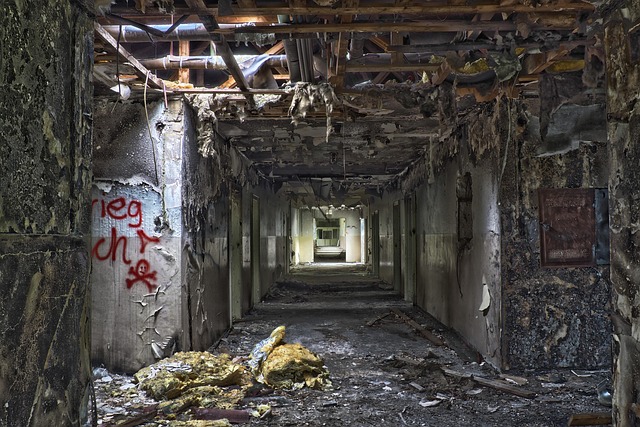
Restoring a fire-damaged property is an intricate process that demands a delicate balance of science and artistry. The primary goal is to transform ashes into a fresh start, returning the affected space to its pre-fire condition or even enhancing it. This involves several advanced restoration techniques designed to mitigate fire damage naturally while prioritizing safety, efficiency, and environmental considerations. For businesses facing closure due to fires or homeowners grappling with the aftermath, understanding these processes is crucial for a swift return to normalcy.
The first step in restoring a fire-damaged home or business is assessing the extent of the harm. This includes examining not just structural integrity but also identifying the type and intensity of fire exposure, which dictates the restoration approach. Property Restoration of the Capital Region, an industry leader, emphasizes the importance of using advanced technology for thorough inspections, ensuring every inch of the property is evaluated accurately. Once assessed, professionals can begin implementing tailored solutions. For instance, in cases where smoke and soot have infiltrated walls and ceilings, specialized cleaning techniques using low-moisture methods or targeted applications of cleaning agents may be employed to restore surfaces without causing further damage.
Fire damaged carpet repairs are a significant concern for homeowners and businesses alike. The process requires more than simply replacing the flooring; it entails addressing the underlying padding and structural supports that may have been compromised by fire and smoke. Professionals employ advanced drying techniques, such as using dehumidifiers or specialized vacuum systems, to prevent mold growth and ensure the area is safe for repair or replacement. In severe cases, carpet layers might need to cut out damaged sections and install new flooring, a testament to their skill in seamlessly integrating replacements into existing installations.
Emotional Wellbeing: Coping with Fire Trauma Naturally
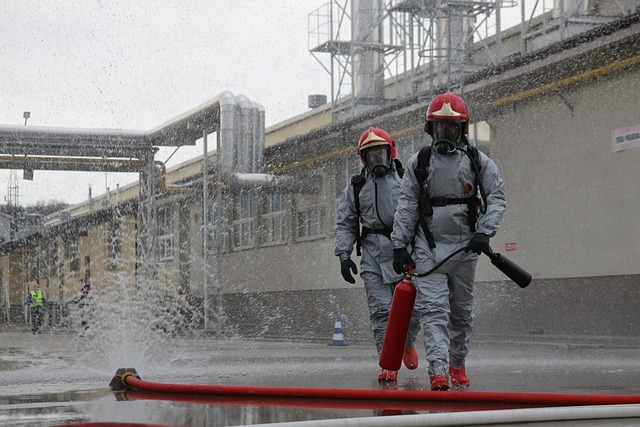
The emotional impact of fire damage can be profound, affecting individuals long after the initial event. Coping with fire trauma naturally is a critical aspect of the healing process for many affected by this devastating experience. Fire damage restoration for historical homes presents unique challenges, as these structures often hold immense cultural and sentimental value. Local emergency fire response teams are typically equipped to handle immediate threats, but addressing fire damage naturally requires specialized expertise.
Property Restoration of the Capital Region, for instance, has been at the forefront of providing comprehensive fire damage experts available 24/7. Their team comprises seasoned professionals who understand the profound emotional toll that follows a fire. They offer tailored solutions to restore not just physical spaces but also the peace of mind that comes with securing one’s sanctuary from fire damage naturally. By prioritizing natural restoration methods, they ensure minimal disruption to individuals’ lives and preserve the historical integrity of homes.
The process begins with assessing the extent of the fire damage and developing a customized plan. This includes using eco-friendly cleaning agents and techniques to eliminate lingering smoke and soot, which can have adverse health effects. Natural deodorization methods, such as utilizing essential oils or specialized air purification systems, help remove offensive odors that may persist after a fire. Additionally, restoration experts provide emotional support, recognizing that dealing with fire trauma naturally is a personal journey. They offer guidance on navigating insurance claims and work diligently to restore homes to their pre-fire condition, ensuring residents can return to a safe and comfortable environment.
According to recent studies, prompt and effective fire damage restoration can significantly mitigate post-traumatic stress disorder (PTSD) symptoms among survivors. Property Restoration of the Capital Region’s commitment to 24/7 availability ensures that local communities receive swift support during difficult times. By combining advanced restoration techniques with natural approaches, they foster a sense of security and promote healing for those affected by fire damage, helping them regain control over their lives and homes.
After exploring the multifaceted aspects of same-day fire cleanup and restoration, it’s clear that a comprehensive approach is key to recovering from such a traumatic event. From immediate safety protocols to emotional support, each step plays a vital role in mitigating fire damage naturally and fostering healing. Understanding the nuances of assessing damage, proper containment, water damage prevention, and effective restoration techniques empowers homeowners to navigate this challenging process with confidence. By prioritizing natural recovery where possible and implementing practical steps, individuals can transform their spaces and lives after a fire outbreak. This authoritative guide provides valuable insights that not only equip readers with knowledge but also offer tangible next steps for a successful and healing journey following fire damage naturally.