



Fire damage restoration requires specialized knowledge and equipment. Initial assessment guides insurance claims and safety protocols. Choose experienced contractors with fire-resistant credentials and full-service capabilities. Quick action includes securing the scene, evaluating structural integrity, and documenting damage. Restoring historical homes demands expert navigation of legal and financial complexities. Natural restoration focuses on eco-friendly materials, historic preservation, and energy efficiency. Proactive documentation and education enhance post-fire recovery.
Restoring a home after fire damage is a complex, emotionally charged process. It requires skilled professionals who understand not just the structural repairs needed to address fire damage naturally, but also the emotional toll of such traumatic events. Fire damaged home restoration contractors specialize in transforming devastated properties into safe, habitable spaces once again. This authoritative guide delves into the crucial role these experts play, highlighting their expertise in navigating the intricacies of fire repair, from assessing damage to implementing state-of-the-art restoration techniques. By understanding their approach, homeowners can ensure their property is not only structurally sound but also restored to its former beauty and functionality.
- Understanding Fire Damage: Assessing Your Home's Impact
- Choosing the Right Restoration Contractor: Key Considerations
- Immediate Actions After a Fire: Safety and Preservation
- The Restoration Process: Step-by-Step Guide for Fire Damage
- Materials and Techniques: Restoring Your Home Naturally
- Legal and Financial Aspects: Navigating Post-Fire Claims
Understanding Fire Damage: Assessing Your Home's Impact
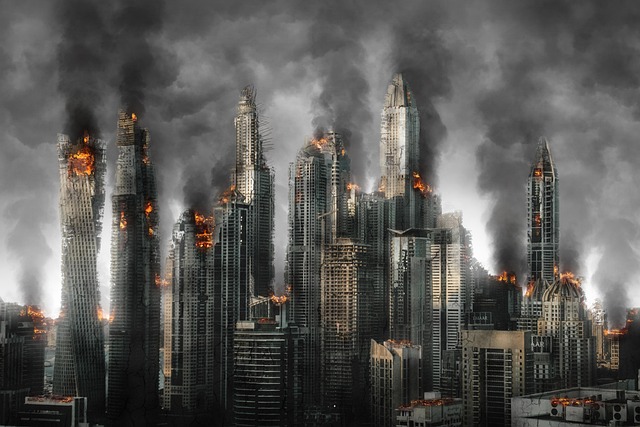
Understanding fire damage is a crucial step in the restoration process after a fire. When your home suffers from fire damage, it’s essential to assess the extent of the impact on your property. This initial evaluation plays a significant role in guiding the subsequent restoration efforts and ensuring that your home is safely brought back to its pre-fire condition. Fire insurance policies are designed to cover such incidents, but understanding your coverage and deductibles is vital before initiating any repairs. Homeowners should review their policies to know what is insured and the scope of coverage for fire damage naturally.
Fire-resistant clothing guide and safety protocols are essential knowledge for both homeowners and contractors navigating a fire-damaged home. Wearing appropriate protective gear minimizes risks associated with inhaling toxic smoke and handling hazardous materials that may have been exposed during the fire. It’s also crucial to recognize that water damage often accompanies fire damage, as firefighting efforts involve extensive watering. This combination of fire and water damage requires specialized restoration experts who can handle both aspects effectively. For instance, a recent study by the National Fire Protection Association (NFPA) revealed that over 70% of homes affected by structural fires also experienced some form of water damage, emphasizing the need for comprehensive restoration services.
In the Capital Region, Property Restoration of the Capital Region is renowned for its expertise in handling complex fire and water damage restoration projects. They employ a meticulous process, starting with a thorough inspection to identify all areas affected by fire damage naturally. This includes not only visible charring but also hidden spots where smoke and heat may have penetrated. By understanding the unique challenges posed by each fire, their team of professionals can tailor restoration strategies accordingly. For example, they might use advanced drying techniques for water-soaked areas and specialized cleaning methods to remove soot and smoke residue from surfaces. This comprehensive approach ensures that not only is the physical damage repaired but also any lingering traces of the fire are eliminated.
Choosing the Right Restoration Contractor: Key Considerations
Choosing the right restoration contractor for a fire-damaged home is a critical step in the recovery process. With significant emotional and financial stakes involved, it’s crucial to select professionals who possess the expertise, resources, and commitment to restore your property to its pre-fire condition. Fire damage presents unique challenges that require specialized cleaning, repair, and rebuilding services, making it all the more important to partner with fire and water damage restoration experts.
When evaluating potential contractors, start by checking their credentials, experience, and insurance coverage. Look for companies that specialize in fire damage cleaning and repair, as these professionals are equipped with the necessary tools and knowledge to mitigate risks and prevent further deterioration. Reputable firms will also conduct thorough fire safety equipment checks to ensure your home is secure before beginning any restoration work. For instance, a study by the National Fire Protection Association (NFPA) revealed that prompt action by fire damage restoration experts can significantly reduce the cost of repairs and increase the likelihood of successful property rehabilitation.
Another key consideration is the contractor’s ability to handle both fire and water damage simultaneously if your home experienced combined hazards. Many fires lead to secondary water damage from firefighting efforts, so a full-service restoration company capable of managing these interrelated issues is ideal. Property Restoration of the Capital Region, for example, has established itself as a leading provider in this field, offering comprehensive solutions that cater to every stage of fire damaged home restoration. Remember, choosing the right contractor can make all the difference in achieving a successful outcome and minimizing stress during an already challenging time.
Immediate Actions After a Fire: Safety and Preservation
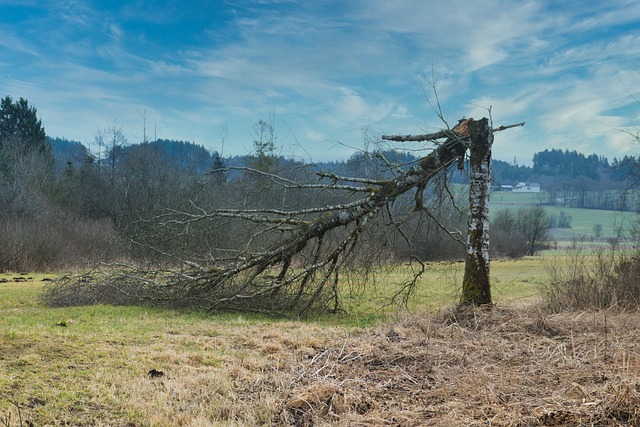
After a fire damages your home, immediate action is crucial for both safety and preservation of the property. The first steps should focus on securing the scene to prevent further harm from smoke, heat, or water. Evacuate everyone to a safe location and call emergency services if necessary. Once the area is secured, consult with local fire damage consultants in San Jose who specialize in assessing and mitigating fire damage naturally.
These professionals will inspect every corner of your home, including hard-to-reach areas like attics and crawl spaces. They’ll document the extent of the fire damage, taking detailed notes on affected structures and personal belongings. For instance, fire damaged walls require specific techniques to repair and restore effectively. Experts can determine if structural integrity is compromised and guide you through safe demolition or reinforcement processes as needed.
Restoring textiles after a fire is another specialized task that demands expertise. Clothes, curtains, and other fabric items may have been exposed to smoke and soot, which can leave behind unpleasant odors and stains. Professional restoration services employ advanced cleaning techniques and state-of-the-art equipment to remove these contaminants safely. Consider the case of a family home in the Capital Region where Property Restoration of the Capital Region expertly restored textiles after a kitchen fire, ensuring the homeowners could move back into their restored space within weeks.
In terms of actual restoration methods, it’s essential to follow industry best practices tailored to different materials and scopes of damage. For example, restoring a fire-damaged kitchen may involve replacing cabinets, reinstalling appliances, and refitting countertops while preserving the original layout and design. Meanwhile, repairing fire damaged walls could range from simple repainting to more complex repairs like replacing drywall or reinforcing structural elements. By engaging with qualified contractors who understand these nuances, homeowners can expect a smoother recovery process and a home that’s not only safe but also beautifully restored.
The Restoration Process: Step-by-Step Guide for Fire Damage
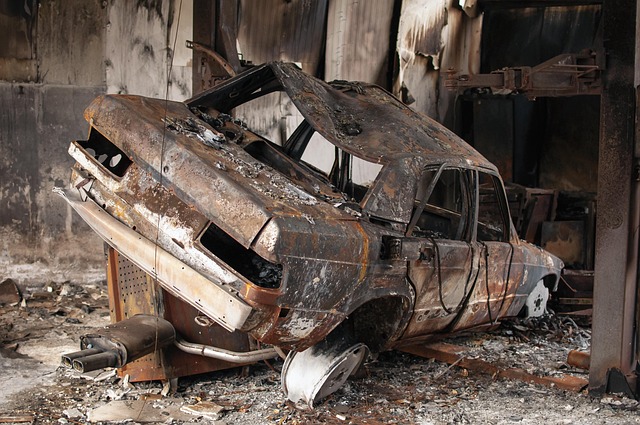
Fire damage can leave homes and structures in disarray, requiring a meticulous restoration process to return them to their pre-loss condition. This guide offers a step-by-step approach for tackling fire damage, with a particular focus on residential properties, while also providing context for specialized scenarios like fire damage restoration for schools and churches. The key lies in swift action, as every hour counts in mitigating secondary damage and ensuring a successful recovery.
Step 1: Assess the Scope of Damage
Upon arrival at the fire-damaged site, contractors should conduct a thorough inspection to identify affected areas and assess the severity of the damage. This includes examining structural integrity, checking for hidden fireside impacts like warped floorboards or charred wall frames, and assessing the condition of belongings, particularly fire damaged furniture repair needs. In cases of extensive destruction, it may be prudent to consult with structural engineers to ensure safety before proceeding with any restoration work.
Step 2: Safely Remove Damaged Property
With a clear understanding of the damage, contractors can begin the process of removing contaminated materials and personal belongings. This step demands care to prevent further harm from lingering smoke and soot particles. Specialized equipment is often required to safely extract charred debris, especially in situations like fire damage restoration for churches where precious artifacts or historical items may be involved.
Step 3: Contain and Clean
The next critical phase involves containing the fire’s residual impact. This includes implementing a comprehensive cleaning strategy using industry-approved methods and products. For instance, specialized cleaning solutions are employed to effectively remove soot stains from surfaces and fabrics. In cases of severe smoke damage, air purification systems may be utilized to improve indoor air quality, ensuring that residents can return home safely.
Step 4: Restoration & Reconstruction
Once the property is cleaned and deemed safe, the actual restoration work begins. This step may involve rebuilding sections of the structure, repairing or replacing fire damaged furniture, and restoring historical elements in churches. Property Restoration of the Capital Region emphasizes the importance of using high-quality materials and meticulous craftsmanship throughout this phase to ensure longevity and aesthetics.
Special Considerations:
Restoring schools after fire damage requires adherence to strict safety codes and considerations for student well-being. Similarly, churches often demand intricate restoration techniques to preserve sacred spaces and historical value. Each project is unique, necessitating tailored approaches while drawing on proven strategies from past fire damage restoration efforts.
Materials and Techniques: Restoring Your Home Naturally
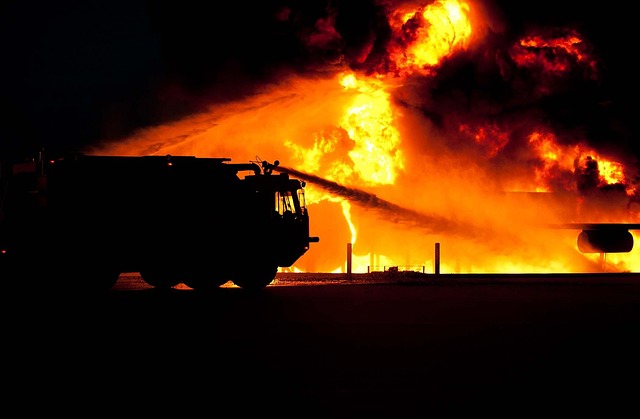
Restoring a fire-damaged home can be an emotional journey, but adopting natural techniques and materials offers a sustainable and healthy path forward. When navigating fire damage restoration insurance claims, many homeowners seek ways to reconnect with their memories while minimizing environmental impact. This approach not only aligns with eco-conscious values but also contributes to long-term indoor air quality and the overall well-being of occupants.
One of the primary considerations in natural restoration is selecting non-toxic materials that promote a healthier living environment. For example, using low-VOC (volatile organic compound) paints and finishes reduces chemical emissions, benefiting those with sensitivities or respiratory issues. Similarly, opting for natural insulation like cellulose or mineral wool reduces the risk associated with synthetic alternatives. In cases where structural elements are affected, reclaimed wood or engineered materials certified by reputable organizations ensure both sustainability and strength.
Beyond material choices, techniques focused on preserving historical elements can be deeply meaningful. Hand-crafted repairs, such as meticulously rebuilding damaged trim or refurbishing antique furniture, allow homeowners to reconnect with the character and history of their homes. Property Restoration of the Capital Region emphasizes these methods, ensuring that each restoration tells a unique story while adhering to highest quality standards. Furthermore, incorporating natural light through strategic window placement or skylights not only enhances aesthetics but also reduces energy consumption, aligning with the goals of many modern homeowners.
While restoring memories after a fire may seem daunting, prioritizing natural materials and techniques can provide both aesthetic and environmental benefits. By carefully navigating fire damage restoration insurance claims, homeowners can create living spaces that are not only functional but also contribute to a healthier planet. Embracing these principles ensures that each restored home becomes a testament to resilience, beauty, and the enduring spirit of its inhabitants.
Legal and Financial Aspects: Navigating Post-Fire Claims

Fire damage can leave homeowners facing a complex web of legal and financial considerations, especially when it comes to navigating insurance claims. After the immediate danger has passed, the process of restoring your home becomes a delicate dance between rebuilding, reimbursement, and ensuring the safety of your family. This is particularly true for fire-damaged historical homes, which require specialized restoration techniques to preserve their unique architectural integrity. In such cases, it’s crucial to engage experienced contractors who understand not only fire damage but also the nuances of protecting and restoring cultural heritage sites.
Property Restoration of the Capital Region specializes in navigating these complex scenarios. We provide comprehensive support throughout the entire claims process, from assessing fire damage to ensuring proper reimbursement. Our experts are well-versed in working with historical properties and can offer tailored solutions for restoration projects that demand meticulous attention to detail. This includes guiding clients through necessary permits, historical preservation regulations, and insurance requirements specific to such structures. We also emphasize the importance of emotional support after fire damage, recognizing its profound impact on families and their homes.
A significant challenge many homeowners face is understanding their rights and responsibilities during the claims process. Insurance policies can be intricate, with varying levels of coverage for different types of losses. Our team assists in deciphering these documents, ensuring clients receive appropriate compensation for all aspects of fire damage restoration, including structural repairs, replacement of personal belongings, and specialized treatments for historical homes. We also encourage clients to take proactive measures by documenting their loss thoroughly—photographs, receipts, and estimates from contractors are invaluable during the claim filing process. By combining expert knowledge with compassionate support, we help families not only recover from fire damage but also rebuild stronger, safer homes.
Additionally, investing in fire prevention classes for kids can significantly reduce the risk of future fires, providing valuable peace of mind. These educational programs teach children essential safety measures and foster a culture of awareness within households. By combining proactive fire prevention with expert restoration services, Property Restoration of the Capital Region offers a holistic approach to recovering from fire damage, ensuring both the physical and emotional well-being of our clients.
Restoring a fire-damaged home is a complex process that requires meticulous care and the right expertise. Key insights from this article underscore the importance of understanding fire damage extent, choosing experienced contractors who excel in natural fire damage restoration techniques, and taking immediate safety precautions. The step-by-step guide highlights the meticulous restoration process, emphasizing the use of eco-friendly materials and advanced techniques to mitigate environmental impact. Legal and financial aspects, including navigating insurance claims, are crucial for a smooth recovery. By prioritizing these strategies, homeowners can ensure their safety, protect their property, and achieve effective fire damage restoration using natural methods. This comprehensive guide empowers readers with the knowledge needed to make informed decisions during this challenging time.