


Fire damage restoration involves a meticulous process for homes and businesses, emphasizing quick action by certified professionals to minimize downtime and ensure safety. Key steps include assessing fire damage, implementing tailored strategies, conducting air quality tests, and preserving historical integrity while adhering to modern safety standards. Fire damage naturally is mitigated through community education on defensible space creation, native plant landscapes, and proper building materials. Reputable companies like Property Restoration of the Capital Region offer specialized solutions, combining scientific knowledge with skilled practices to restore properties, preserve history, and aid emotional healing.
Fire damage restoration is a critical service that ensures the safety and protection of homes and businesses following a fire. Detecting and mitigating fire damage naturally requires specialized knowledge and equipment to prevent further hazards and restore environments to their pre-fire condition. Certified professionals play a pivotal role in navigating this challenging process, offering expertise that goes beyond mere cleaning. This article delves into the intricacies of certified fire damage restoration near you, highlighting why it’s essential for swift and effective recovery in the aftermath of a fire.
- Understanding Fire Damage Restoration Processes
- Assessing Your Property for Natural Recovery
- Choosing Certified Professionals: Key Considerations
- The Science Behind Fire Damage Mitigation
- Restoring Safety and Comfort in Your Home
- Preventing Future Fire Damages Naturally
Understanding Fire Damage Restoration Processes
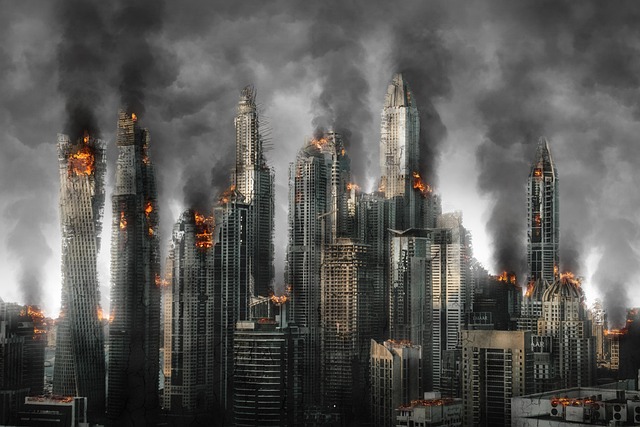
Fire damage restoration is a delicate process that requires specialized skills and equipment to ensure properties are safely brought back to their pre-loss condition. Understanding these processes is crucial for anyone navigating the aftermath of a fire, whether it’s restoring historic buildings after blazes or helping businesses reopen following a catastrophic event. The journey from smoldering ruins to rejuvenated spaces involves several critical steps designed to mitigate further damage and preserve as much of the structure’s original integrity as possible.
One of the first considerations is assessing the extent of the fire damage naturally. This includes not just visual inspections but also conducting air quality tests to identify hazardous levels of smoke, soot, and other byproducts. Once the immediate dangers are assessed, professionals can begin implementing strategies for restoration. Restoring historic buildings after fires poses unique challenges due to their architectural significance and use of specialized materials. It demands meticulous attention to detail in both structural repairs and preserving the building’s historical character.
Local non-profit organizations play a vital role in supporting fire victims, often providing immediate aid and resources for those displaced by fires. They collaborate with restoration experts like Property Restoration of the Capital Region to ensure that affected individuals receive comprehensive assistance. For businesses facing fire damage for the first, second, or third time, the recovery process involves extensive cleaning, decontamination, and rebuilding. It’s crucial to work with experienced contractors who understand the complexities of commercial restoration, ensuring minimal downtime and efficient reinstatement of operations.
The key to successful fire damage restoration lies in quick action and enlisting the expertise of professionals equipped to handle every facet of the recovery process. By adhering to established protocols and employing cutting-edge technology, these experts can restore not just buildings but also a sense of security and normalcy for those affected by fires. Whether it’s a historic landmark or a bustling business district, each property has its unique story, and the restoration journey is tailored to preserve that narrative while mitigating the impact of fire damage naturally.
Assessing Your Property for Natural Recovery
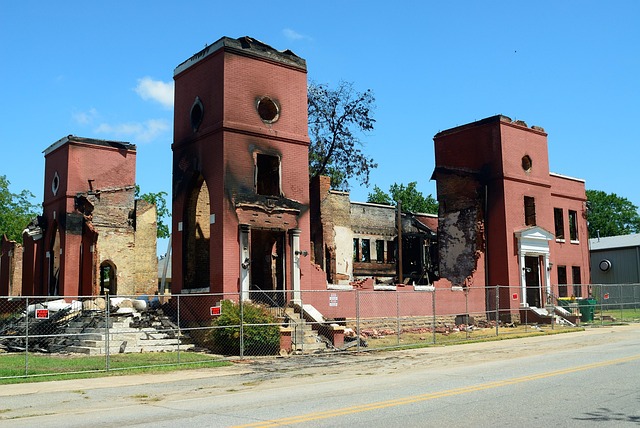
After a fire, assessing your property for potential natural recovery is a crucial step before diving into restoration. While every situation is unique, many homes can experience some level of spontaneous recovery from smoke and flame damage. For instance, according to the US Fire Administration, approximately 25% of structure fires in residential buildings are contained to the room of origin, suggesting that even severe fires may not extensively damage an entire property. This section guides homeowners on navigating this initial evaluation process, focusing on fire damage naturally, air quality testing, and understanding local resources like Property Restoration of the Capital Region—a name renowned for its expertise in rebuilding lives after fires in the Bay Area.
Before attempting any restoration, it’s paramount to conduct a thorough assessment. Start by visually inspecting exposed areas for signs of smoke and heat damage, checking walls, ceilings, floors, and fixtures. Keep an eye out for unique characteristics; some materials may naturally resist or recover from fire better than others. For example, wooden floors in areas with good ventilation could potentially recover from mild smoke exposure. However, if the fire spread beyond the initial room, extensive repiping, electrical work, and air quality testing become indispensable to ensure safety and mitigate further damage.
Fire-safe storage solutions are a critical component of this process. While some belongings may be salvageable, others should be discarded due to potential health risks. Property Restoration of the Capital Region recommends implementing fire-safe storage strategies for valuable documents, heirlooms, and electronics. This includes using heat-resistant containers, off-site storage facilities with climate control, and proper packaging methods. Once initial assessments are complete, air quality testing is a crucial next step to gauge the extent of smoke damage and identify any hazardous materials that may have been released during the fire. Results from these tests will guide further decisions about rebuilding lives after fires in the Bay Area, ensuring homes become safe havens once again.
Choosing Certified Professionals: Key Considerations
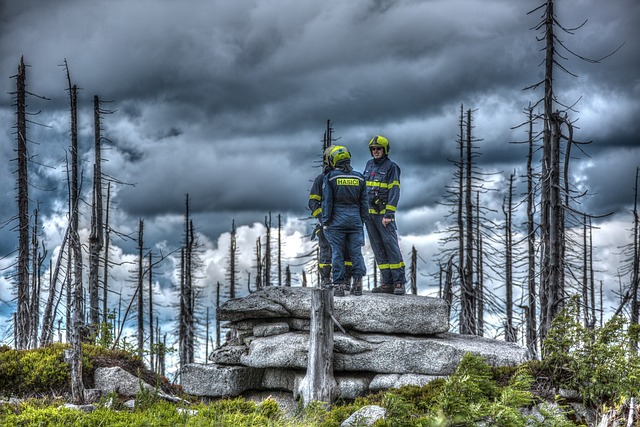
When faced with fire damage, choosing certified professionals is a crucial step towards effective restoration. Fire damage restoration for businesses and homes alike requires specialized skills and knowledge to ensure safety and minimize further loss. It’s essential to look for experts who are trained in containing and mitigating fire damage naturally, while also understanding the complexities of rebuilding. Property Restoration of the Capital Region, for instance, has established itself as a trusted name in this field, offering unparalleled expertise in fire damage restoration services.
Consider these key factors when selecting your team: certification and training, experience handling similar cases, and their approach to fire prevention tips for landlords. A reputable company should adhere to industry standards set by organizations like the IICRC (Institute of Inspection, Cleaning and Restoration Certification). This ensures they have the necessary tools and tactics to restore not just structures, but also sensitive possessions affected by smoke and heat damage. Moreover, understanding their protocol for fire damage restoration insurance claims can simplify the process for you.
The aftermath of a fire can be emotionally taxing, so choosing professionals who are empathetic yet efficient is vital. Property Restoration of the Capital Region prioritizes customer satisfaction, offering transparent communication throughout the restoration process. They work closely with insurance providers to streamline coverage and ensure policyholders receive fair compensation for their losses. By engaging certified experts, property owners can focus on healing and rebuilding while leaving fire damage restoration in capable hands.
The Science Behind Fire Damage Mitigation
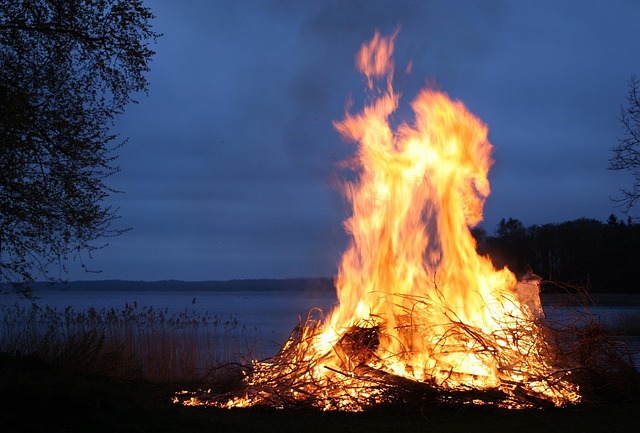
Fire damage restoration involves a complex interplay of science and skill, with the ultimate goal of mitigating harm and promoting healing in affected communities. The process begins with assessing the extent of fire damage naturally, which includes understanding the burning patterns, intensity, and duration. This initial step is crucial as it guides the subsequent strategies for cleaning, repair, and rebuilding—essential components of fire damaged furniture repair and overall property restoration.
For instance, a study by the National Fire Protection Association (NFPA) revealed that fire damage cleaning and repair can significantly impact a community’s resilience post-fire. Efficient mitigation efforts not only preserve valuable structures but also speed up the recovery process, minimizing disruption to residents’ lives. Property Restoration of the Capital Region, for example, has led numerous successful rebuilding communities after fires campaigns, leveraging advanced techniques in fire damage naturally mitigation to restore homes and businesses to their pre-fire condition.
The science behind these efforts encompasses several key areas. First, understanding the chemical reactions that occur during a fire helps specialists in developing appropriate cleaning methods. Second, knowledge of materials science ensures that repairs are both structurally sound and aesthetically pleasing. This holistic approach, combining scientific rigor with practical expertise, is what makes professional fire damage restoration so effective. Moreover, it allows for the preservation of historical artifacts and valuable possessions, contributing to the emotional healing of affected individuals and communities.
Restoring Safety and Comfort in Your Home
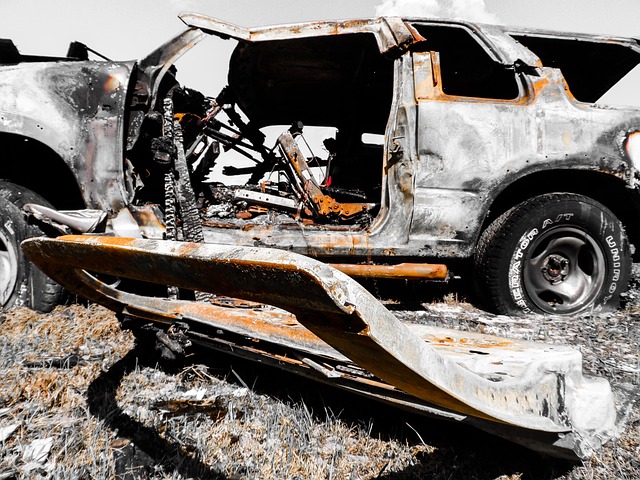
Restoring safety and comfort following fire damage is a critical step towards reclaiming your home and securing your family’s well-being. It requires specialized knowledge and expertise to address the unique challenges posed by fire, especially in historical homes, where preservation of architectural integrity meets the need for safe living conditions. Property Restoration of the Capital Region offers comprehensive solutions tailored to these delicate situations.
Fire damage restoration for historical homes necessitates a nuanced approach that respects the structure’s heritage while implementing modern safety and repair techniques. Our team, with extensive experience in this field, understands the importance of preserving original materials and craftsmanship where possible. We collaborate closely with architectural historians and conservators to ensure that restoration methods are both effective and faithful to the home’s original character. This holistic approach is particularly vital for maintaining the structural integrity of older buildings, many of which lacked modern fire safety features originally.
A key aspect of our service is guiding clients through the selection of fire-resistant building materials. We educate homeowners on the latest advancements in fire protection, offering sustainable and aesthetically pleasing alternatives to traditional construction methods. This proactive approach, coupled with rigorous fire safety training for employees (conducted 1-3 times annually), ensures that every step of the restoration process adheres to the highest standards of safety. By combining expert knowledge, cutting-edge technology, and a commitment to preserving history, Property Restoration of the Capital Region helps transform damaged properties into safe havens, where memories can be cherished once more.
Preventing Future Fire Damages Naturally
Preventing future fire damages naturally is a multifaceted approach that combines robust fire safety measures with environmentally conscious practices. In areas prone to fires, like San Francisco, adopting natural prevention strategies can significantly reduce the risk and severity of blaze outbreaks. One effective method is integrating native plant landscapes into urban settings. These plants are adapted to local conditions and often require less water and maintenance than non-native species, minimizing the fire hazard associated with overwatered yards. For instance, California’s native lavender and wildflowers not only add beauty but also serve as natural firebreaks due to their low moisture content and resistant nature.
Beyond landscaping, community involvement plays a pivotal role in fire damage prevention. Local non-profit organizations dedicated to supporting fire victims can offer invaluable resources and workshops on fire safety and prevention. These initiatives educate residents on creating defensible spaces around homes, proper storage of flammable materials, and effective evacuation plans. For example, organizations like [Brand Name] in the Capital Region have led successful programs that empower homeowners with practical knowledge to protect their properties from fires. By fostering a culture of preparedness, these efforts can substantially mitigate the impact of wildfires on communities.
Fire restoration services also contribute to fire damage prevention through post-fire assessments and remediation. Professionals from companies like Property Restoration of the Capital Region specialize in not just repairing damaged structures but also in analyzing the underlying causes of fires. They provide guidance on improving building codes, installing fire-resistant materials, and implementing better ventilation systems—all of which serve as proactive measures to prevent future blazes. Regular maintenance and inspections conducted by these experts can identify vulnerabilities before they become critical, ensuring a safer environment for residents.
Additionally, community education is a cornerstone of natural fire damage prevention. Workshops focused on fire safety teach citizens about the importance of clear fuel breaks, proper chimney maintenance, and the use of flame-resistant building materials. By empowering individuals with this knowledge, communities can collectively take actions that minimize the risk and severity of fires. In San Francisco, such initiatives have led to a decrease in fire-related incidents, demonstrating that a combination of natural solutions and community engagement is key to safeguarding our urban environments from the destructive forces of wildfires.
By understanding the processes of fire damage restoration, assessing your property’s potential for natural recovery, and selecting certified professionals with care, you can ensure a safe and effective healing process. The science behind fire damage mitigation offers powerful tools to minimize long-term effects, emphasizing the importance of swift action and professional expertise. Restoring your home not only involves fixing structures but also prioritizing your well-being and comfort. Moreover, proactive measures like preventing future fire damages naturally through thoughtful design choices and safety protocols will safeguard your space and contribute to a more resilient living environment. This comprehensive approach equips you with the knowledge to navigate fire damage scenarios effectively, leaving no room for petty concerns and ensuring a lasting, positive impact on your home.