



Fire damage presents immediate and long-term challenges. Key steps include:
– Proper Ventilation: Minimize smoke and soot exposure within hours.
– Specialized Cleaning: Address soot damage to wood and drywall.
– Moisture Intrusion Awareness: Prepare for secondary damages in fire-prone areas.
– Safety Measures: Maintain smoke detectors, develop escape plans.
– Professional Assistance: Engage experts like Property Restoration for comprehensive fire damage assessment and restoration.
– Fire Safety Planning: Focus on detectors, alarms, and sprinkler systems.
– Strategic Recovery: Prioritize safety, use natural cleaning solutions, review insurance policies.
– Structural Restoration: Address hidden issues, reduce costs, and speed recovery.
– Prevention: Implement proactive measures, educate communities, comply with local building codes.
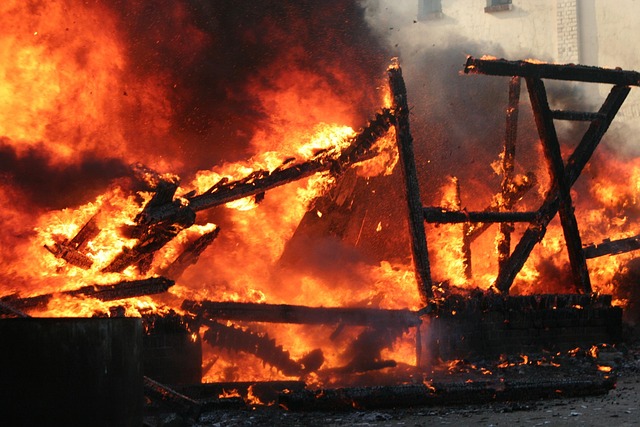
In the face of unexpected fire damage, round-the-clock assistance can mean the difference between a manageable crisis and a devastating, prolonged struggle. Fire damage naturally inflicts not just physical destruction but also emotional turmoil, leaving individuals and businesses reeling. The need for swift, reliable 24/7 fire damage repair assistance is paramount to mitigate losses and restore normalcy promptly. This article delves into the critical importance of around-the-clock service, exploring how specialized teams can navigate the challenges of fire damage, provide expert solutions, and offer much-needed peace of mind.
- Understanding Fire Damage: Immediate Steps After a Fire
- Assessing Your Home: What to Expect During an Inspection
- Natural Recovery: Safe Ways to Handle Fire-Damaged Possessions
- Structural Repair: Restoring Your Home to Pre-Fire Condition
- Professional Assistance: When to Call for 24/7 Support
- Preventing Future Damage: Fire Safety Measures for Your Property
Understanding Fire Damage: Immediate Steps After a Fire
Fire damage is a devastating experience, leaving behind not just physical destruction but also emotional scars. Understanding what to do immediately after a fire can significantly impact the recovery process. The first few hours and days are critical in mitigating further harm and ensuring the safety of your property and family. One key step often overlooked is proper ventilation; smoke and soot from fires contain toxic gases and fine particles that can pose long-term health risks if not addressed promptly. Opening windows and doors may seem counterintuitive to stop smoke, but it helps to reduce concentrated levels of these harmful substances.
After ensuring safety, the next logical step in fire damage management is fire damage cleaning and repair. This process involves several specialized techniques tailored to different types of materials and structures. For instance, wood and drywall, common in many homes, require meticulous cleaning and decontamination due to soot’s corrosive nature. In cases where water was used to extinguish the fire, Bay Area residents should be aware of potential secondary damage from moisture intrusion, leading to mold growth if not promptly addressed. A professional assessment is crucial to understand the full extent of fire and flood damage restoration needed.
The Bay Area, known for its natural beauty, also faces unique challenges with frequent wildland fires. Property owners should familiarize themselves with local fire recovery resources, like community support networks and insurance coverage limitations. Taking proactive measures, such as regularly updating smoke detectors and developing an escape plan, can significantly enhance safety during future emergencies. Remember that professional assistance from reputable companies like Property Restoration of the Capital Region is invaluable for comprehensive fire damage assessment, cleaning, and restoration services, ensuring your home or business returns to its pre-fire condition as quickly and effectively as possible.
Assessing Your Home: What to Expect During an Inspection
When your home suffers from fire damage, the process of assessing and repairing can seem overwhelming. Understanding what to expect during an inspection is crucial for navigating this challenging time. Expert assessors play a vital role in evaluating the extent of fire damage, ensuring your safety, and guiding you through the repair process. During their initial visit, they will meticulously examine every aspect of your property, from structural integrity to interior finishes. Fire damaged carpet repairs are a common concern, as smoke and water used for extinguishing can leave behind unsavory residues that require specialized treatment.
The assessment involves a comprehensive visual inspection, often aided by advanced moisture meters and thermal imaging cameras. These tools help identify hidden damage caused by heat, smoke, and water. For example, an assessor might uncover charred walls or ceiling tiles that, at first glance, appear undamaged but harbor toxic residues. They will also assess the structural framework, electrical wiring, and plumbing systems to ensure they can be safely restored. Once the assessment is complete, you’ll receive a detailed report outlining the scope of fire damage repairs in your home, including estimates for both structural and non-structural components.
Fire safety planning for families becomes an integral part of this process. Assessors often provide valuable insights into minimizing future risks, ensuring your peace of mind. They may recommend improvements to smoke detectors, fire alarms, and sprinkler systems, emphasizing the importance of a robust fire safety infrastructure. For instance, Property Restoration of the Capital Region has seen firsthand how proactive measures can prevent further damage and facilitate quicker recovery times for homeowners. Remember that each situation is unique, and your repair plan should be tailored accordingly.
Natural Recovery: Safe Ways to Handle Fire-Damaged Possessions
Recovering from fire damage can be an emotionally taxing process, but with proper care and expert guidance, it’s possible to restore your belongings and home to their former glory using natural methods. When dealing with fire damage, the first step is to ensure safety—this means securing the area and preventing further damage before attempting any cleaning or restoration. Once the immediate risks are mitigated, a comprehensive approach involving both traditional and natural techniques can facilitate the recovery process.
Fire damage naturally involves several key steps. Initial assessments should focus on identifying the extent of the damage and determining which materials can be salvaged. Hardwood floors, for instance, might require specialized cleaning to remove soot deposits but can often be restored without replacement. Textiles and fabrics, however, may sustain permanent damage from smoke and heat, necessitating disposal or creative repurposing. Natural cleaning solutions like baking soda, vinegar, and essential oils can be effective in removing stubborn odors and residue left by fires, offering a safer alternative to harsh chemicals.
Restoring homes after devastating fires often involves navigating insurance claims and working with professionals who specialize in fire damage cleaning and repair. Property Restoration of the Capital Region is a trusted name in this field, providing comprehensive services that cater to every aspect of fire damage restoration, from initial assessments to final inspections. It’s important to remember that insurance coverage for fire damage restoration varies, so reviewing your policy and understanding what’s covered is crucial before beginning any work. Data indicates that prompt action within the first 48 hours after a fire significantly improves the chances of successful restoration, making it vital to prioritize safety and consult with experts as soon as possible.
Structural Repair: Restoring Your Home to Pre-Fire Condition

Fire damage can leave homes in disarray, but structural repair plays a pivotal role in restoring your property to its pre-fire condition. This meticulous process involves more than just fixing visible scars; it entails addressing hidden issues that could compromise the structure’s integrity. Experts at Property Restoration of the Capital Region emphasize the significance of a comprehensive assessment, which includes not only repairing walls and roofs but also conducting thorough fire safety equipment checks. These checks ensure that critical systems like smoke detectors and sprinkler networks are functioning optimally, thereby enhancing overall fire safety for your family.
One of the initial steps in structural repair is assessing the extent of damage caused by smoke and water used during firefighting efforts. Fire-resistant clothing, a crucial component of any residential fire damage restoration process, protects restoration workers from potential hazards while they navigate through hazardous environments. By donning appropriate gear, professionals can effectively mitigate further damage and ensure their safety throughout the restoration process. According to industry reports, early intervention in structural repair can significantly reduce costs and shorten recovery times, making it a vital strategy for homeowners facing post-fire challenges.
In many cases, hidden dangers lurk beneath the surface, such as weakened structural elements or compromised electrical systems. These issues often require specialized knowledge and advanced equipment to identify and rectify safely. For instance, water damage from firefighting efforts can lead to mold growth if not addressed promptly, posing additional health risks and increasing repair costs. Property Restoration of the Capital Region recommends scheduling regular fire safety equipment checks and maintaining up-to-date records of all repairs to safeguard against future fires and ensure a home’s structural integrity for years to come.
Professional Assistance: When to Call for 24/7 Support
When a fire strikes, whether it’s a small kitchen blaze or a larger, more devastating fire, immediate action is crucial. One of the most important decisions you’ll face in those initial moments is whether to call for professional 24/7 fire damage repair assistance. While it might be tempting to attempt DIY repairs to save time and money, fire damage restoration is a complex process that requires specialized knowledge and equipment.
Fire damage goes beyond the visible destruction of property; it can leave behind hazardous remnants like smoke and soot, which can have long-term health effects if not properly addressed. Additionally, understanding your insurance policy’s coverage for deductibles related to fire damage is essential. Many policies have specific clauses regarding temporary living expenses, decontaminating areas affected by smoke, and repairing or replacing damaged belongings.
Restoring memories after a fire can be just as important as rebuilding the physical space. Photo albums, cherished keepsakes, and personal documents may have sentimental value that cannot be easily replaced. Property Restoration of the Capital Region offers expert advice on navigating this challenging time, emphasizing the importance of immediate action. They suggest documenting damage with photos and videos for insurance claims, understanding your policy limits, and prioritizing areas like kitchens and bathrooms where sanitation is crucial to prevent further mold growth.
Fire damage restoration tips from locals who have experienced such events often stress the value of professional assistance. These professionals are trained to assess the full extent of fire damage, including hidden areas like wall cavities and attics, which can be difficult for homeowners to access or see. They employ advanced equipment for cleaning, decontaminating, and drying affected areas, ensuring that your home is restored safely and efficiently. By enlisting their help, you can focus on healing and rebuilding while they handle the intricate details of fire damage repair.
Preventing Future Damage: Fire Safety Measures for Your Property
Preventing future damage is paramount after experiencing fire damage. Beyond immediate rescue and evacuation, understanding and implementing robust fire safety measures can significantly mitigate the impact of future fires. This involves a multi-faceted approach that includes structural repairs, understanding insurance coverage, and proactive maintenance. For instance, addressing fire damaged walls requires specialized techniques such as removing charred insulation and replacing affected framing, a process best handled by professionals trained in fire damage naturally restoration.
In regions like the Bay Area, where homes are often constructed with diverse materials, knowledge of local building codes and fire safety standards is crucial. Property owners should be aware that their insurance policy’s coverage for fire damage varies, with some plans offering comprehensive protection while others require separate riders for specific perils. Understanding these nuances, along with assistance in navigating fire insurance claims, can ensure homeowners receive adequate compensation for repairs, including those for fire damaged walls and other structural elements.
Proactive measures like installing smoke detectors, developing an escape plan, and conducting regular inspections are fundamental. Homeowners should also consider upgrading to fire-resistant building materials and ensuring proper ventilation to reduce the risk of flash fires. Moreover, staying informed about local fire safety initiatives and participating in community education programs can foster a culture of prevention. For example, Property Restoration of the Capital Region offers workshops on fire safety and recovery, emphasizing that preparation and swift action are key to minimizing fire damage naturally and restoring homes efficiently.
By systematically addressing each phase of fire damage management, from immediate post-fire steps to structural repair and prevention, this article has empowered readers with a comprehensive understanding of both personal recovery and professional assistance. Key takeaways include prioritizing safety first, documenting damage for insurance claims, handling possessions safely through natural recovery methods, restoring homes to pre-fire conditions, and recognizing when to enlist 24/7 support from experts in fire damage repair. Moving forward, homeowners are equipped with the knowledge to navigate the aftermath of a fire, foster a secure living environment, and mitigate future risks through proactive fire safety measures, all while understanding the natural healing process for fire-damaged properties.