![Top Fire Damage Restoration in [Region]: Complete Guide to Recovery](https://respectedbusinesses.com/wp-content/uploads/2026/07/fire-damage-640x480-17415925.jpeg)
Fire damage naturally requires swift, expert intervention (24-48 hours) to minimize losses and ensure safety. Key steps include: initial assessment for structural integrity, electrical systems, and air quality; documentation for insurance claims; employee fire safety training; removal of debris and restoration of belongings; specialized hydro-cleaning for soot and ash; controlled moisture removal to prevent mold growth; meticulous structural repairs adhering to safety standards; air quality testing and deodorization; emotionally supportive services; and fire-resistant measures to prevent future damage. Prompt action, professional techniques, and community support are vital for effective fire damage naturally restoration.
Fire damage restoration is a critical service that ensures the safe return of homes and businesses affected by fire. In [region], where fires can occur due to various factors, proper restoration is essential to mitigate health risks and emotional trauma. However, navigating fire damage naturally requires expertise to avoid further complications. This article delves into the top-rated fire damage restoration services in [region], providing insights into their methodologies, advanced techniques, and commitment to delivering a safe, secure environment for those impacted by fires.
- Understanding Fire Damage: Initial Assessment and Safety
- The Role of Water in Fire Damage Restoration Naturally
- Structural Restoration: Repairs for Safe Reoccupation
- Content Cleaning and Deodorization Techniques
- Emotional Recovery: Supporting Clients After a Fire
- Preventing Future Damages: Fire-Resistant Measures
Understanding Fire Damage: Initial Assessment and Safety
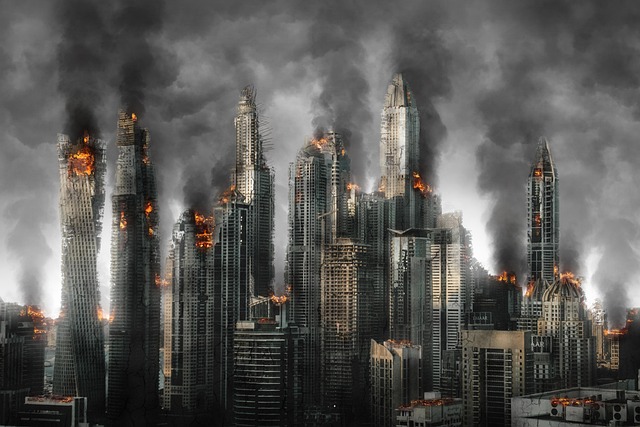
Fire damage, a devastating force capable of transforming homes and businesses in an instant, demands immediate and expert attention. Understanding the critical initial assessment and safety measures is paramount when facing this challenge. Property Restoration of the Capital Region, a leading authority in fire damage restoration, emphasizes that the first 24-48 hours are crucial for minimizing loss and ensuring a safe environment. This period involves a meticulous evaluation process to assess the scope of fire damage naturally occurring and identifying potential hazards.
The initial assessment should encompass a comprehensive review of the property's structural integrity, electrical systems, and indoor air quality. Restoring professionals check for exposed wiring, compromised ceilings, and walls that may hide intensifying fires or hazardous materials. Fire damage restoration insurance is a vital consideration during this phase, as it provides financial protection and peace of mind. Policyholders should be prepared to document the damage thoroughly for insurance claims, ensuring every detail contributes to a swift and accurate settlement.
Fire safety training for employees plays a pivotal role in mitigating risks during restoration work. Specialized training equips personnel with knowledge on how to handle fire-affected areas safely, preventing further contamination or injury. After the initial assessment, fire damage cleaning and repair can begin. This meticulous process involves removing charred debris, restoring damaged belongings, and sanitizing affected spaces. Property Restoration of the Capital Region's expertise lies in its ability to tailor these services to each unique situation, ensuring a safe, healthy, and fully restored environment.
The Role of Water in Fire Damage Restoration Naturally
Water plays a pivotal role in fire damage restoration, offering both transformative power and delicate precision when navigating the aftermath of a blaze. In the context of fire damage naturally, water is not merely a cleansing agent but an indispensable tool for professionals who specialize in restoring homes faster after fires. The intricate dance between water and charred remnants involves specialized techniques designed to mitigate structural instability, control moisture levels, and revive spaces once deemed lost.
Property Restoration of the Capital Region, for instance, employs advanced hydro-cleaning methods that delicately extract residual soot and ash while preserving as much intact material as possible. This meticulous approach not only expedites restoration but also ensures the safety and longevity of affected structures. By understanding the unique challenges posed by each fire and tailoring water applications accordingly, experts can offer fire damage restoration tips from locals that go beyond surface-level cleaning.
Beyond structural restoration, proper water management is crucial to preventing secondary damage from mold growth, a common concern in the aftermath of fires. Fire restoration services prioritize controlled moisture removal and dehumidification to create an environment unconducive to mold proliferation. This multifaceted approach ensures that, in addition to fire restoration services restoring physical structures, homes are also protected from invisible invaders that can compromise indoor air quality. Data supports these practices, indicating that prompt and effective water management during fire damage restoration significantly reduces the risk of subsequent health issues for residents.
Structural Restoration: Repairs for Safe Reoccupation
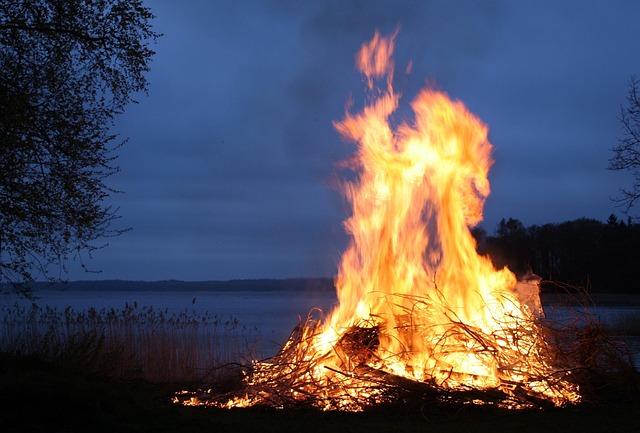
After a fire, structural restoration is paramount for safe reoccupation. This intricate process involves meticulous assessments, precise repairs, and adherence to safety standards—all crucial to mitigating risks associated with fire damage. At Property Restoration of the Capital Region, our experts understand that every structure is unique, demanding tailored solutions. We employ advanced techniques to assess hidden hazards, ensuring no traces of smoke or soot remain.
Structural repairs encompass a wide range of interventions, from reinforcing charred beams and joists to replacing damaged insulation and electrical wiring. Our team leverages state-of-the-art materials, including fire-resistant clothing guide for workers, to prevent further deterioration. We also collaborate closely with local community fire support groups to stay updated on the latest safety protocols. By integrating these collaborative efforts and best practices, we ensure that restored spaces meet stringent fire safety standards.
Fire safety and prevention workshops in San Francisco offer valuable insights into mitigating risks before and after fires. These educational initiatives underscore the importance of smoke detectors, fire extinguishers, and well-planned evacuation routes. At Property Restoration of the Capital Region, we actively participate in these workshops to stay at the forefront of industry knowledge. This commitment ensures our restoration methods not only repair damage but also enhance overall fire safety, providing peace of mind for homeowners and businesses alike.
Content Cleaning and Deodorization Techniques
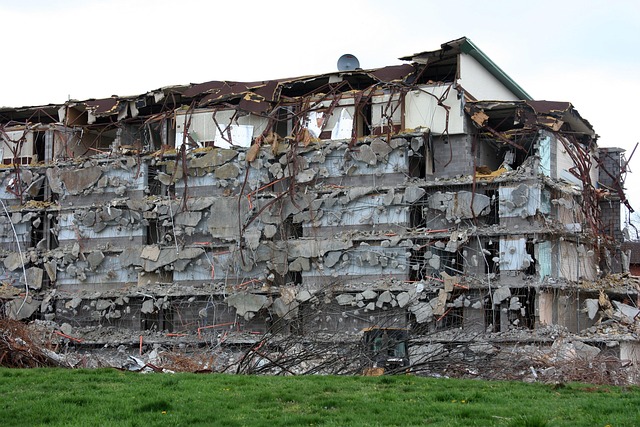
After a fire, the process of cleaning and deodorizing affected areas is paramount for restoring both the physical space and the emotional well-being of those impacted. This involves meticulous techniques to address not only visible damage but also hidden remnants that can compromise air quality and health. Fire damage naturally presents unique challenges, particularly when it comes to mitigating odors and ensuring a safe environment.
One of the primary steps in fire damage restoration is conducting thorough air quality testing. This process identifies any hazardous materials released during the fire, such as asbestos, which can resurface after fires, especially older structures. Once identified, specialized teams employ techniques like HEPA (High-Efficiency Particulate Air) filtering and negative pressure rooms to contain and remove contaminants. For example, Property Restoration of the Capital Region utilizes advanced air purification systems that mimic nature's process of cleansing, effectively eliminating odors and particulates from the air.
Restoring memories after a fire is not just about rebuilding physical spaces; it's about preserving emotional connections. Content cleaning techniques focus on removing soot and smoke residues that can leave behind tenacious odors. Deodorization methods, including ozonation and advanced oxidation, target organic compounds responsible for persistent smells. These natural processes work in harmony with affected materials, remediating asbestos if present without introducing harmful chemicals. By combining these strategies, restoration experts ensure not only the structural integrity of buildings but also the health and peace of mind of their inhabitants.
Emotional Recovery: Supporting Clients After a Fire
Recovering from a fire can be an incredibly challenging and emotionally draining experience for any individual or family. When dealing with the aftermath of such a traumatic event, Property Restoration of the Capital Region understands that emotional recovery is just as vital as restoring physical structures. Our team of experienced professionals is dedicated to not only mending the visible scars but also providing unwavering support throughout the fire damage restoration process.
At the heart of our approach lies empathy and compassion. We recognize that each fire victim has a unique story and journey ahead. Our specialists are trained to listen, offer reassurance, and guide clients through every step, ensuring they feel heard and not alone. This personalized care extends beyond words as we actively engage with Bay Area fire victim support networks to provide additional resources and assistance when needed.
Fire damage restoration involves more than just cleaning and rebuilding; it's about restoring a sense of safety and security. This is especially true for historical homes, where preserving the structure's integrity while mitigating fire damage requires meticulous care. Our team has extensive experience in fire damage air quality testing and restoration for these delicate properties, ensuring both the safety of occupants and the preservation of architectural heritage. Through natural, environmentally conscious methods, we strive to bring comfort back into homes without introducing new hazards.
Data suggests that prompt action after a fire can significantly impact a client's emotional recovery. According to recent studies, early intervention services, including psychological support and efficient restoration processes, can lead to improved mental health outcomes for fire victims in the long term. At Property Restoration of the Capital Region, we embrace this evidence-based approach, ensuring every interaction is tailored to meet the unique needs of our clients on their journey towards emotional healing and a fresh start.
Preventing Future Damages: Fire-Resistant Measures
Preventing future damages is a crucial aspect of fire damage restoration, aiming to minimize the risk of recurrent loss. One effective strategy involves implementing fire-resistant measures in buildings and homes. These measures include using flame-retardant materials for construction and insulation, ensuring proper ventilation systems to discourage the spread of flames, and installing smoke detectors and fire alarms for early warning systems. By adopting these precautions, residents can significantly reduce the extent of potential fire damage naturally.
In the aftermath of a fire, restoring textiles and other valuable items damaged by smoke and heat is another critical step in the restoration process. Professional services, like those offered by Property Restoration of the Capital Region, excel in this domain, utilizing specialized techniques such as cleaning with pH-neutral solutions and controlled temperature restoration to revive textiles. Moreover, working with local non-profit organizations supporting fire victims can provide emotional relief and practical assistance during the recovery period.
Fire damage restoration insurance plays a pivotal role in mitigating financial burdens associated with fires. Understanding coverage limits and deductibles is essential for homeowners and business owners alike. Many policies cover structural repairs, but extensive damage may require supplemental insurance or out-of-pocket expenses. Proactive planning and regular reviews of insurance policies can help ensure adequate coverage for fire restoration needs.
Data from recent studies indicates that prompt action within the first 48 hours after a fire significantly impacts the overall cost of restoration. This window allows for minimizing smoke and soot damage, preventing mold growth, and preserving valuable possessions. As such, homeowners should familiarize themselves with local fire safety regulations and develop an emergency plan tailored to their needs. By combining professional expertise, community support, and proactive insurance management, individuals can effectively navigate the challenges of fire damage restoration and restore their properties to pre-fire conditions.
In addressing fire damage restoration in [region], this article has unveiled a comprehensive roadmap for effective recovery and prevention. Key insights include the critical initial assessment and safety measures to mitigate risks, understanding the unique role of water in restoring properties naturally, and the importance of structural repairs for safe reoccupation. Content cleaning techniques and deodorization methods have been highlighted as essential steps to restore environments while emotionally supporting clients through the healing process. Moreover, the article emphasizes fire-resistant measures to prevent future damages, underscoring a holistic approach to fire damage restoration that combines expertise, natural solutions, and empathy. By synthesizing these learnings, readers are equipped with practical knowledge to navigate fire damage scenarios, ensuring both physical and emotional recovery in [region].